
Modern life moves quickly, and many people spend their days balancing work, family responsibilities, commuting, and endless digital notifications.
While staying productive is often celebrated, constantly being busy can place significant pressure on both the body and mind. Understanding why relaxation matters is an important step towards maintaining long term health and wellbeing.
Relaxation is far more than simply taking a break. It allows the nervous system to recover from ongoing stress, supports healthy sleep, improves emotional resilience, and helps the body function more efficiently. Whether through Massage Therapy, Relaxation Therapy, mindfulness, or other Wellness Treatments, creating space for regular relaxation can positively influence almost every aspect of daily life.
Across Melbourne, Melbourne CBD, Victoria, and throughout Australia, more people are recognising that investing time in Self Care is not a luxury but an essential part of maintaining a balanced lifestyle.
Understanding Relaxation Beyond Simply Resting
Many people assume relaxation means doing nothing, but true relaxation is an active process that allows the body to shift away from its stress response. During stressful periods, hormones such as cortisol and adrenaline increase to help us respond to challenges. While this response is useful in short bursts, remaining in this heightened state for extended periods may contribute to fatigue, muscle tension, poor concentration, and reduced emotional wellbeing.
Relaxation encourages the body to activate its natural recovery systems. Heart rate slows, breathing becomes deeper, muscles soften, and the mind becomes calmer. This creates an environment where healing, restoration, and improved wellbeing can occur.
How Relaxation Supports Physical Health
Reducing Muscle Tension
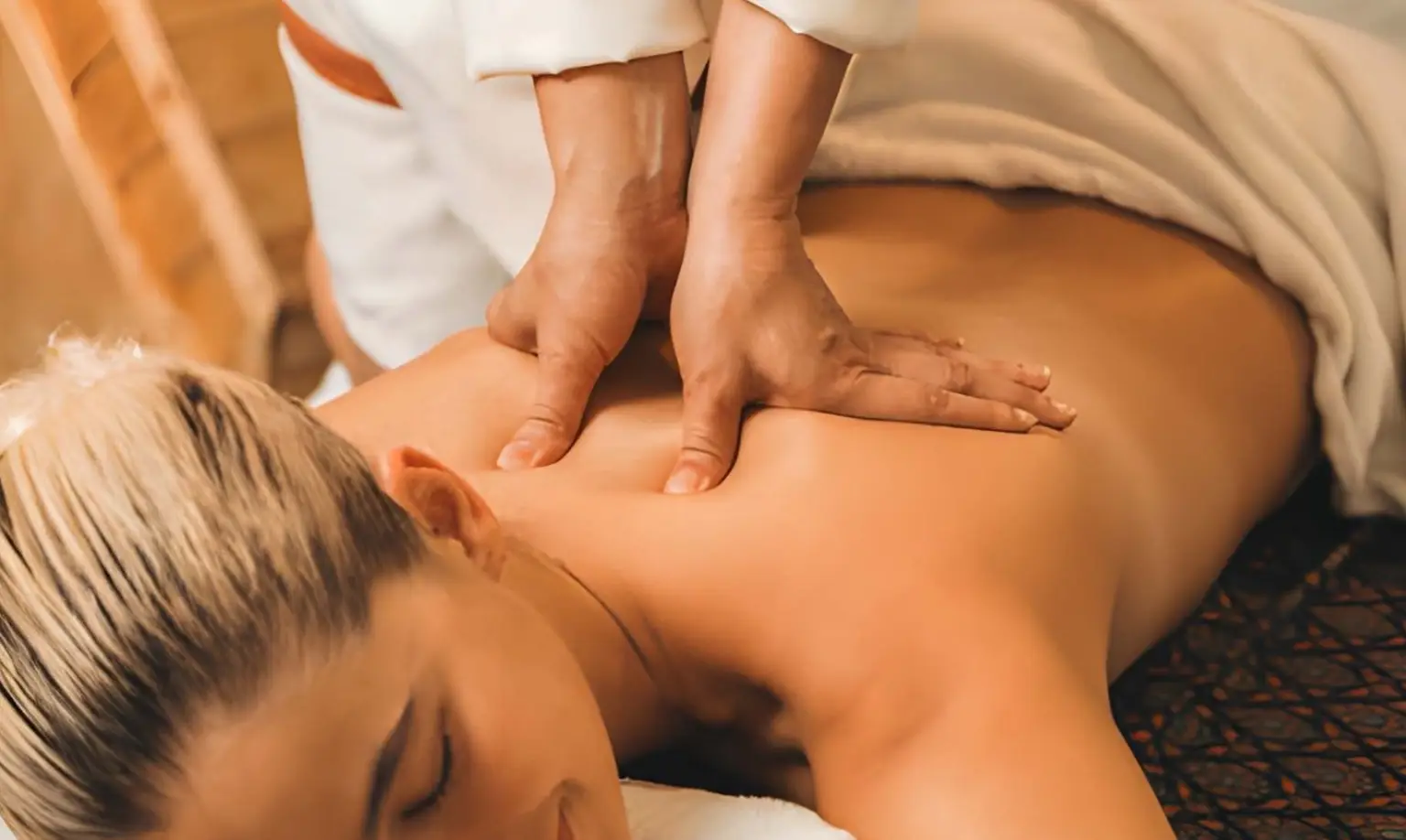
Long hours sitting at a desk, repetitive movements, or physical work often lead to tight muscles. Professional Massage Therapists commonly help clients manage muscle tension through techniques that encourage circulation, flexibility, and comfort.
Many people notice that regular Massage Therapy sessions help them feel physically lighter while improving movement and reducing everyday discomfort.
Supporting Better Sleep
Quality sleep plays an important role in physical recovery, immune function, and mental clarity. However, ongoing stress often interferes with falling asleep or staying asleep.
Relaxation techniques before bedtime, including breathing exercises, gentle stretching, meditation, or Wellness Treatments, can help prepare both the body and mind for restorative sleep.
Improving Overall Wellbeing
Relaxation encourages healthier circulation, steadier breathing, and reduced physical strain. When combined with regular movement, nutritious eating, and sufficient hydration, it contributes to a healthier lifestyle that supports long term wellbeing.
Why Relaxation Is Important for Mental Health
Mental wellbeing is closely connected to physical health. Chronic stress may affect concentration, emotional balance, confidence, and relationships. Taking time to relax helps create mental space to process emotions and improve resilience.
Relaxation Therapy often includes calming environments, mindful breathing, gentle touch, or quiet reflection. These experiences encourage the brain to move away from constant alertness and towards a more balanced emotional state.
People who regularly prioritise relaxation frequently report feeling more patient, focused, and capable of handling everyday challenges.
The Connection Between Self Care and Long Term Health
Self Care involves making intentional choices that protect both physical and emotional wellbeing. It includes adequate sleep, healthy nutrition, exercise, meaningful social connections, and regular relaxation.
Many people mistakenly believe Self Care is selfish. In reality, looking after your own wellbeing often enables you to better support your family, colleagues, and community.
For those exploring professional wellness options in Victoria, visiting a day spa melbourne may complement other healthy habits by providing opportunities to unwind, disconnect from daily pressures, and focus entirely on personal wellbeing.
Massage Therapy as Part of a Relaxation Routine
Supporting Stress Management
Stress Management involves developing sustainable habits that reduce the impact of ongoing pressure. Massage Therapy can become one component of a broader wellness routine that also includes exercise, mindfulness, healthy eating, and sufficient rest.
Professional Massage Therapists tailor treatments according to individual needs, whether someone experiences muscle tightness from office work, physical fatigue, or simply requires time to relax.
Encouraging Mind Body Awareness
Massage sessions often encourage people to become more aware of how stress affects their bodies. Recognising signs of tension early allows individuals to respond before discomfort becomes more significant.
This awareness supports healthier habits throughout daily life, including improved posture, regular movement, and better stress management.
Creating Healthy Relaxation Habits
Relaxation does not need to involve hours away from responsibilities. Small daily habits often have a meaningful impact when practised consistently.
- Take short breaks away from screens throughout the day.
- Spend time outdoors whenever possible.
- Practise slow breathing for several minutes.
- Maintain a consistent sleep routine.
- Schedule regular Wellness Treatments when appropriate.
- Reduce unnecessary multitasking.
- Create quiet moments without digital distractions.
These simple habits help create balance while reducing the cumulative effects of stress.
Why Holistic Wellness Takes a Complete Approach
Holistic Wellness recognises that physical health, emotional wellbeing, mental clarity, and lifestyle choices all influence one another. Rather than focusing on a single symptom, holistic approaches consider the whole person.
For example, someone experiencing neck tension may also benefit from improving workstation ergonomics, sleeping habits, relaxation techniques, and Stress Management strategies alongside Massage Therapy.
This comprehensive approach supports sustainable wellbeing rather than temporary relief.
Relaxation in Busy Cities Like Melbourne
Living in busy urban environments such as Melbourne CBD often brings exciting opportunities but can also increase stress through commuting, demanding work schedules, and constant stimulation.
Many residents across Melbourne choose to schedule dedicated relaxation time into their weekly routines. Whether through walking in local parks, practising yoga, visiting a Day Spa, or receiving professional Wellness Treatments, these moments of recovery help restore balance and maintain overall Health and Wellbeing.
Making relaxation a consistent habit often leads to greater productivity, improved emotional resilience, and a healthier relationship with work and personal life.
Conclusion
Understanding why relaxation matters goes far beyond enjoying occasional downtime. Relaxation supports healthy muscles, better sleep, emotional resilience, improved Stress Management, and long term Health and Wellbeing. As modern life continues to become increasingly demanding, prioritising regular relaxation becomes an essential investment in both physical and mental health.
Whether through Massage Therapy, Relaxation Therapy, Wellness Treatments, mindful breathing, or simply creating quiet moments each day, consistent Self Care allows the body and mind to recover, recharge, and perform at their best. Small, intentional steps taken today can contribute to healthier, more balanced living for years to come.
Frequently Asked Questions
Why is relaxation important for overall health?
Relaxation helps regulate the body’s response to stress, allowing the nervous system to recover from daily pressures. It may improve sleep quality, reduce muscle tension, support emotional wellbeing, and contribute to better concentration. When practised regularly alongside healthy lifestyle habits, relaxation becomes an important part of maintaining long term physical and mental health.
How often should I make time for relaxation?
Short periods of relaxation every day can provide meaningful benefits. Even ten to twenty minutes of mindful breathing, gentle stretching, or quiet reflection may help reduce stress levels. Longer relaxation experiences, including Massage Therapy or Wellness Treatments, can also complement a consistent Self Care routine depending on individual needs and lifestyle.
Can Massage Therapy help with stress management?
Massage Therapy is commonly used as part of a broader Stress Management approach. Many people find it helps reduce muscle tightness, encourages relaxation, and provides an opportunity to disconnect from everyday pressures. While individual experiences vary, combining massage with healthy sleep, exercise, and balanced nutrition often supports overall wellbeing.
What are some simple ways to relax at home?
Simple relaxation techniques include deep breathing exercises, meditation, stretching, listening to calming music, reading, taking a warm bath, or spending time outdoors. Reducing screen time before bed and maintaining consistent sleep habits can also improve relaxation and support better physical and emotional health over time.
Does relaxation improve productivity?
Yes. Regular relaxation allows the brain and body to recover from continuous mental effort. Many people experience improved concentration, clearer decision making, greater creativity, and increased resilience after taking time to relax. Rather than reducing productivity, scheduled relaxation often helps people work more effectively while maintaining healthier long term performance.