
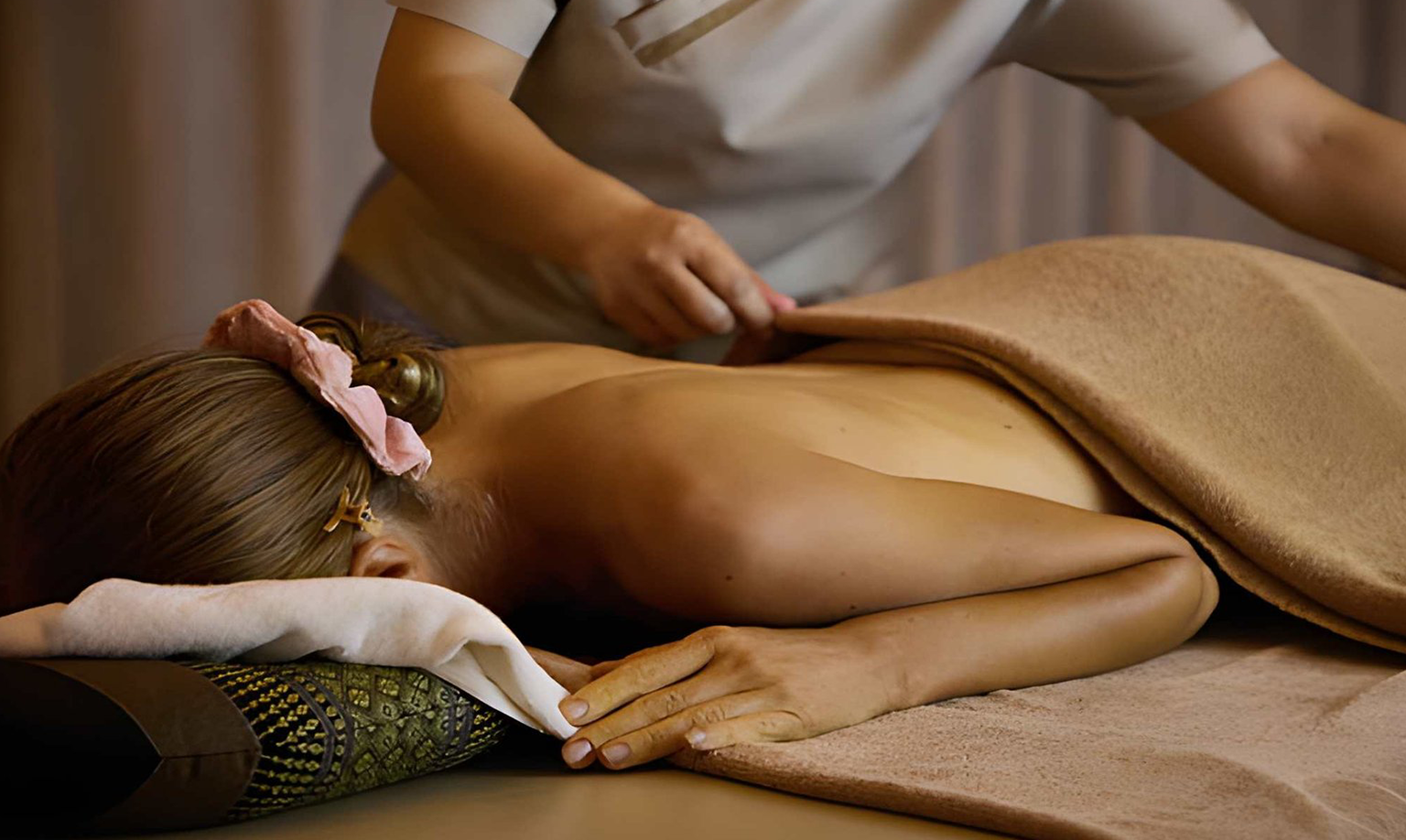
Regular massage treatments have become an important part of modern health and wellbeing routines. While many people initially book a massage to relax or relieve muscle tension, ongoing massage therapy offers a much broader range of benefits.
From stress management and physical recovery to improved mobility and enhanced mental wellbeing, regular massage appointments help support a balanced and healthy lifestyle.
Across Melbourne, Victoria, and throughout Australia, more people are recognising that massage therapy is not simply an occasional luxury. Instead, it is increasingly viewed as a practical wellness treatment that contributes to long-term physical and emotional health.
Whether someone works long hours at a desk, participates in regular sport, manages a physically demanding job, or simply wants to prioritise self care, massage therapy can provide meaningful support.
This article explores the key reasons people book massage treatments regularly, the benefits they experience, and how professional massage therapists contribute to holistic wellness and overall quality of life.
The Growing Popularity of Regular Massage Therapy
In today’s fast-paced environment, many individuals experience ongoing physical and mental stress. Long working hours, digital device usage, sedentary lifestyles, commuting, family responsibilities, and demanding schedules can all place pressure on the body and mind.
As awareness of preventative health approaches continues to grow, many Australians are seeking wellness treatments that support both physical and mental wellbeing. Massage therapy has emerged as one of the most accessible and widely used complementary health practices.
Rather than waiting until discomfort becomes severe, many people now schedule regular massage appointments to help maintain balance, reduce tension, and support ongoing health goals.
Stress Relief Is One of the Main Reasons People Book Regular Massages
One of the most common reasons individuals seek massage therapy is stress management. Chronic stress can affect nearly every system within the body, contributing to muscle tightness, headaches, fatigue, poor sleep, reduced concentration, and emotional exhaustion.
Professional massage therapists use a variety of techniques designed to encourage relaxation and calm the nervous system. During a massage session, many people experience a noticeable reduction in physical tension and mental strain.
How Massage Supports Relaxation Therapy
Relaxation therapy aims to reduce the body’s stress response and promote a sense of calm. Massage can assist by:
- Reducing muscle tension
- Encouraging deeper breathing
- Supporting circulation
- Promoting mental relaxation
- Creating dedicated time for self care
Many clients report feeling more relaxed, focused, and emotionally balanced following regular massage treatments.
Managing Muscle Tension and Physical Discomfort
Muscle tightness is a common issue affecting people across a wide range of occupations and lifestyles. Office workers often experience neck and shoulder tension from prolonged sitting, while tradespeople and manual labourers may develop muscle fatigue from repetitive physical activities.
Regular massage therapy helps address these concerns by targeting areas of tension and encouraging improved movement throughout the body.
Many people book ongoing massage treatments because they find that consistent care helps reduce recurring discomfort before it becomes more significant.
Common Areas of Muscle Tension
Professional massage therapists frequently work with clients experiencing tightness in:
- Neck and shoulders
- Upper and lower back
- Hips and glutes
- Legs and calves
- Forearms and wrists
Regular appointments may help maintain mobility and improve comfort during everyday activities.
Supporting Better Sleep Quality
Quality sleep is essential for physical recovery, mental clarity, emotional regulation, and overall health. However, many Australians struggle with poor sleep due to stress, discomfort, anxiety, or busy schedules.
Massage therapy can contribute to improved sleep by helping the body transition into a more relaxed state. Reduced muscle tension and lower stress levels may make it easier to fall asleep and maintain restorative sleep patterns.
People who incorporate massage into their regular wellness routines often describe feeling more rested and refreshed after their treatments.
Massage Therapy and Mental Wellbeing
Health and wellbeing extend beyond physical health alone. Mental wellness plays a crucial role in overall quality of life, and many people seek massage treatments as part of a broader strategy for emotional balance.
Regular massage sessions create opportunities to disconnect from daily pressures and focus on personal wellbeing. This dedicated time for self care can help individuals feel more centred and better equipped to manage everyday challenges.
While massage is not a substitute for professional mental health care when needed, it can serve as a valuable complementary practice within a holistic wellness approach.
Improving Mobility and Flexibility
Maintaining good mobility becomes increasingly important as people age or engage in repetitive physical activities. Stiff muscles and restricted movement can affect exercise performance, workplace productivity, and daily comfort.
Many individuals book massage treatments regularly because they notice improvements in flexibility and movement after sessions.
Massage therapy may assist by reducing muscle tightness, improving tissue mobility, and supporting healthy movement patterns. This can be particularly beneficial for active individuals, athletes, and people recovering from physically demanding activities.
Supporting Active Lifestyles and Exercise Recovery
Regular exercise places stress on muscles, joints, and connective tissues. While physical activity is beneficial for overall health, adequate recovery is equally important.
Many athletes and fitness enthusiasts include massage therapy as part of their recovery strategies. Massage can help manage muscle soreness, reduce feelings of stiffness, and support ongoing training programs.
Whether someone participates in recreational sport, gym training, running, cycling, or organised competitions, massage therapy may contribute to a more comprehensive recovery routine.
The Role of Massage in Recovery
People involved in regular physical activity often seek massage to:
- Support muscle recovery
- Reduce post-exercise tightness
- Improve flexibility
- Promote circulation
- Maintain training consistency
These benefits make massage therapy a popular choice among active Australians.
The Importance of Self Care in Modern Life
Self care has become an increasingly important aspect of maintaining health and wellbeing. Rather than viewing self care as an indulgence, many health professionals encourage individuals to prioritise activities that support physical and mental wellness.
Massage treatments provide structured opportunities to focus on personal wellbeing. Setting aside time for relaxation, recovery, and stress reduction can help individuals maintain healthier lifestyles over the long term.
Many people who regularly visit a day spa or massage clinic describe their appointments as an essential part of their self care routine rather than an occasional treat.
Preventative Wellness Rather Than Reactive Care
One reason people continue booking massage treatments is the shift toward preventative wellness. Rather than waiting until discomfort becomes severe, many individuals prefer to address tension and stress before they significantly affect daily life.
This proactive approach aligns with broader health trends that emphasise prevention, maintenance, and ongoing wellbeing.
Regular massage therapy can become part of a wider wellness strategy that may also include exercise, balanced nutrition, adequate sleep, mindfulness practices, and routine healthcare.
The Benefits of Professional Massage Therapists
The quality of a massage experience often depends on the knowledge and expertise of the therapist providing the treatment.
Professional massage therapists are trained to assess client needs, understand different techniques, and tailor treatments to individual goals. This personalised approach helps ensure that each session addresses specific concerns while supporting overall wellness objectives.
Whether a client seeks relaxation therapy, recovery support, or relief from muscle tension, professional therapists can adapt treatments accordingly.
Why People Choose Day Spas and Wellness Centres
Many individuals prefer receiving massage treatments in dedicated wellness environments such as day spas and specialised massage centres.
These settings are designed to create calm and comfortable experiences that enhance the benefits of treatment. A professional environment can contribute to deeper relaxation and provide a welcome escape from everyday responsibilities.
In areas such as Melbourne CBD, wellness centres and day spas often form part of a broader health and wellbeing culture, offering massage therapy alongside other wellness treatments designed to support holistic wellness.
For many residents and visitors, booking a session at a reputable provider offering massage melbourne cbd services becomes part of maintaining a balanced lifestyle amid busy urban schedules.
Massage Therapy as Part of Holistic Wellness
Holistic wellness recognises the connection between physical health, emotional wellbeing, mental balance, and lifestyle habits. Massage therapy fits naturally within this framework because it addresses multiple aspects of wellbeing simultaneously.
Rather than focusing solely on isolated symptoms, massage can support broader wellness goals by helping individuals feel physically comfortable, mentally relaxed, and more connected to their health needs.
This comprehensive perspective explains why many people continue scheduling regular treatments over months and years.
The Social and Emotional Benefits of Regular Massage
Although physical benefits often receive the most attention, massage therapy can also contribute to emotional wellbeing.
Many individuals experience feelings of calm, comfort, and improved mood following treatments. The dedicated time spent focusing on personal health can encourage greater self-awareness and support healthier stress-management habits.
In a world where many people feel constantly connected to work and technology, massage sessions provide valuable opportunities to slow down and recharge.
How Often Do People Typically Book Massage Treatments?
The ideal frequency varies depending on individual goals, lifestyle, physical activity levels, and overall health needs.
Some people choose monthly appointments to support general wellbeing, while others book sessions more frequently during periods of high stress, intensive training, or physical recovery.
The most effective schedule is often one that aligns with personal wellness goals and remains sustainable over time.
Consulting with a qualified massage therapist can help determine an appropriate treatment frequency based on individual circumstances.
Massage Therapy in Melbourne’s Wellness Culture
Melbourne has developed a strong reputation for health-conscious living, preventative wellness practices, and professional wellbeing services. Across Melbourne CBD and surrounding suburbs, many residents incorporate massage therapy into broader self care routines.
The city’s emphasis on work-life balance, fitness, health education, and holistic wellness has contributed to growing interest in regular massage treatments.
As awareness of the connection between physical and mental wellbeing continues to expand, massage therapy remains a valued component of many Australians’ health strategies.
Conclusion
People book massage treatments regularly for many reasons, including stress relief, muscle recovery, improved mobility, better sleep, emotional wellbeing, and ongoing self care. While individual motivations vary, the common thread is a desire to support long-term health and wellbeing through consistent wellness practices.
Massage therapy offers benefits that extend beyond temporary relaxation. By helping manage physical tension, encouraging recovery, supporting mental balance, and promoting holistic wellness, regular massage treatments can become an important part of a healthy lifestyle.
Whether someone is navigating the demands of modern work, maintaining an active lifestyle, prioritising stress management, or simply seeking greater balance, professional massage therapy provides a practical and widely respected approach to supporting overall wellbeing.
Frequently Asked Questions
Why do people get massages regularly?
People book massages regularly for a variety of reasons, including stress management, muscle tension relief, relaxation, recovery from exercise, and general wellbeing. Regular treatments can help individuals maintain physical comfort and support mental wellness. Many people find that ongoing massage therapy allows them to proactively manage stress and physical strain before these issues begin affecting their daily lives.
How often should someone have a massage treatment?
The ideal frequency depends on personal goals, activity levels, and overall health needs. Some individuals benefit from monthly sessions for general wellness, while others may prefer fortnightly or weekly appointments during periods of high stress or intense physical activity. A qualified massage therapist can provide guidance based on individual circumstances and treatment objectives.
Can massage therapy help with stress management?
Massage therapy is commonly used as part of stress management strategies. The relaxing environment, therapeutic touch, and reduction of muscle tension can help many people feel calmer and more relaxed. While massage does not eliminate life’s stressors, it may assist individuals in managing physical and emotional responses to everyday pressures more effectively.
Is massage therapy only for people with pain or injuries?
No. While many people seek massage to address discomfort or recovery needs, others use it as part of their general wellness routine. Massage therapy is frequently chosen for relaxation, self care, improved mobility, stress reduction, and maintaining overall health and wellbeing. Many clients book regular sessions even when they are not experiencing specific physical issues.
What are the long-term benefits of regular massage treatments?
Long-term benefits may include improved stress management, enhanced relaxation, reduced muscle tension, better movement, improved recovery from physical activity, and greater awareness of personal wellbeing.
Consistent massage therapy can become part of a holistic wellness approach that supports both physical and mental health over time, helping individuals maintain a balanced lifestyle.