
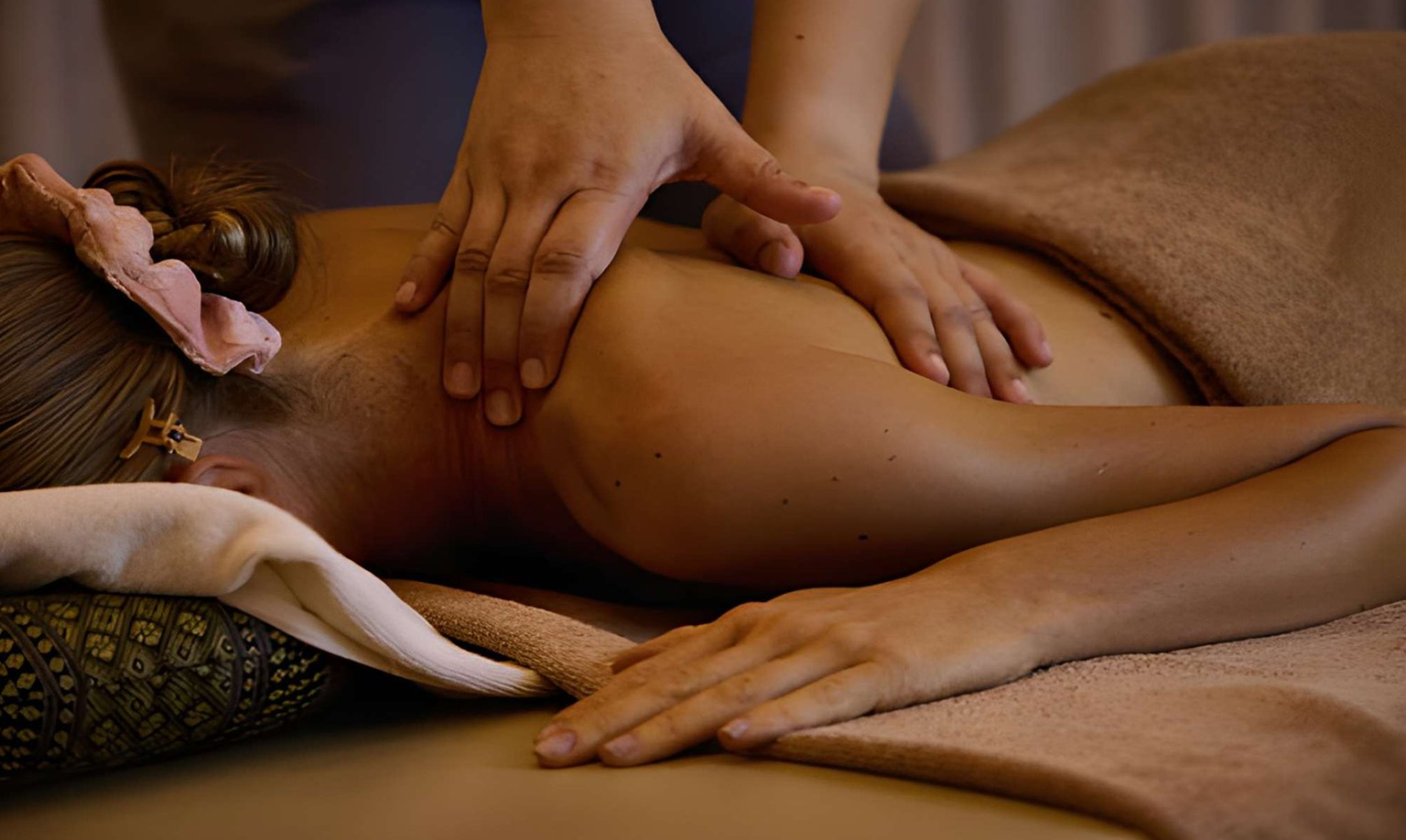
In Australia, particularly across Melbourne and the Melbourne CBD, massage therapy forms an important part of holistic wellness. Many people combine massage with wellness treatments offered through day spas, fitness programs, and stress management practices to maintain their physical and emotional wellbeing.
Understanding the differences between popular massage techniques helps you make informed choices and ensures that your experience aligns with your personal health goals.
Why Massage Therapy Matters for Health and Wellbeing
Massage therapy goes beyond simple relaxation. Professional massage therapists use specialised techniques to address muscle tightness, improve circulation, support recovery, and create opportunities for mental rest.
Modern lifestyles often involve long hours at desks, commuting, digital overload, and increased stress. These factors can contribute to muscular discomfort, fatigue, and emotional strain. Incorporating regular relaxation therapy into a self care routine may help individuals feel more balanced and connected to their overall wellbeing.
Across Victoria, wellness practitioners increasingly view massage as one component of a broader holistic wellness approach that includes movement, sleep, nutrition, and mindfulness.
Swedish Massage
The classic relaxation experience
Swedish massage remains one of the most recognised forms of massage therapy worldwide. It uses long, flowing strokes, gentle kneading, circular movements, and rhythmic techniques designed to encourage relaxation and improve circulation.
This style is ideal for people who are new to massage or looking for a calming experience rather than intensive muscle work.
Benefits commonly associated with Swedish massage include:
- Reduced feelings of stress and tension
- Improved circulation
- Enhanced relaxation
- Support for healthy sleep patterns
Many visitors exploring wellness options in Melbourne choose Swedish massage as an introduction to broader self care practices.
Deep Tissue Massage
Targeting chronic muscle tension
Deep tissue massage focuses on deeper layers of muscle and connective tissue. Therapists apply slower movements and firmer pressure to address persistent tightness, postural issues, and areas of chronic discomfort.
Office workers, athletes, and people recovering from physically demanding activities often benefit from this approach.
Unlike relaxation-focused treatments, deep tissue sessions can sometimes produce mild soreness afterwards. This response is normal and usually short-lived as muscles adapt and release tension.
Professional massage therapists carefully adjust pressure according to each person’s comfort level and physical condition.
Remedial Massage
A therapeutic and evidence-based approach
Remedial massage is particularly popular throughout Australia because it addresses specific musculoskeletal concerns. Therapists assess posture, movement patterns, and areas of pain to create targeted treatment plans.
Common reasons people seek remedial massage include:
- Sports injuries
- Neck and shoulder tension
- Lower back discomfort
- Repetitive strain issues
- Postural imbalances
In many cases, remedial massage forms part of a broader health and wellbeing strategy involving physiotherapy, exercise, and lifestyle modifications.
Hot Stone Massage
Combining warmth with relaxation therapy
Hot stone massage uses smooth, heated stones placed on specific parts of the body while therapists perform gentle massage techniques.
The warmth helps muscles relax more quickly, allowing deeper comfort without requiring significant pressure. Many people find this style especially soothing during Melbourne’s cooler months.
Hot stone treatments are frequently included within day spa experiences because they promote calmness, stress reduction, and overall relaxation.
People searching for a complete wellness retreat often explore options such as a day spa melbourne experience that combines massage with other restorative therapies.
Aromatherapy Massage
Engaging both body and mind
Aromatherapy massage integrates essential oils with traditional massage techniques. Different oils are selected according to desired outcomes, such as relaxation, invigoration, or emotional balance.
Lavender, eucalyptus, peppermint, and citrus oils remain popular choices throughout Australia.
While scientific evidence varies regarding specific claims, many individuals report enhanced relaxation and improved mood when scent is incorporated into wellness treatments.
People with allergies or sensitive skin should always communicate with their therapist before beginning aromatherapy sessions.
Sports Massage
Supporting active lifestyles
Sports massage is designed for physically active individuals, from elite athletes to recreational runners and gym enthusiasts.
The focus lies on maintaining mobility, assisting recovery, preparing muscles before activity, and reducing post-exercise tightness.
Techniques may include stretching, compression, trigger point work, and targeted muscle treatment depending on individual goals.
In a city like Melbourne, where running events, cycling communities, and organised sports are deeply embedded in local culture, sports massage has become an important component of many training routines.
Thai Massage
Movement-based bodywork
Thai massage differs significantly from traditional oil-based treatments. Rather than lying passively, clients are guided through assisted stretches and movement patterns while therapists use hands, elbows, knees, and feet to apply pressure.
Often described as a combination of massage, stretching, and mindful movement, Thai massage aims to enhance flexibility, mobility, and energy flow.
Comfortable clothing is typically worn during sessions, and no oils are required.
How to Choose the Right Type of Massage
Selecting an appropriate massage style depends on your personal goals rather than current trends.
Ask yourself a few practical questions:
- Are you seeking relaxation or pain relief?
- Do you prefer gentle or firm pressure?
- Are you recovering from physical activity?
- Do you enjoy sensory experiences involving heat or essential oils?
- Is flexibility improvement a priority?
Consulting qualified and professional massage therapists remains the best approach when uncertainty exists. Experienced practitioners can recommend treatments based on individual circumstances and health considerations.
The Role of Massage in Holistic Wellness
Massage works most effectively when integrated into broader self care habits. Rather than viewing treatment as an occasional luxury, many Australians now consider massage part of their ongoing wellness strategy.
Holistic wellness recognises the connection between physical health, emotional resilience, relaxation, sleep quality, and daily lifestyle choices. Massage therapy contributes to this framework by creating opportunities for restoration and stress management.
Whether enjoyed within a day spa setting in Melbourne CBD or incorporated into a regular health routine, massage encourages individuals to pause, recover, and reconnect with their wellbeing.
Conclusion
Understanding different types of massage allows people to make informed decisions that align with their health goals, comfort levels, and personal preferences. From Swedish relaxation techniques and deep tissue work to remedial, sports, and Thai massage, every style offers unique benefits.
The most effective approach is choosing treatments that support your broader commitment to self care, stress management, and holistic wellness. With guidance from qualified professionals, massage therapy can become a meaningful part of maintaining health and wellbeing throughout every stage of life.
Frequently Asked Questions
What is the most popular type of massage in Australia?
Swedish massage and remedial massage are among the most popular options in Australia. Swedish massage focuses on relaxation and stress reduction, while remedial massage addresses specific muscular concerns and injuries. The choice often depends on whether someone wants a calming experience or therapeutic support for physical discomfort. Both approaches are widely available throughout Melbourne and other parts of Victoria.
How do I know which massage is right for me?
Start by identifying your goals. If you want relaxation and stress relief, Swedish or hot stone massage may suit you. If you experience muscle tightness or chronic pain, remedial or deep tissue massage could be more appropriate. Speaking openly with a qualified therapist about your lifestyle, activity levels, and health concerns helps ensure the treatment matches your individual needs.
Is deep tissue massage supposed to be painful?
Deep tissue massage should involve firm pressure, but it should never be unbearable. Some discomfort may occur when working on tight muscles, yet communication with your therapist is essential. Professional practitioners adjust techniques according to your tolerance and health condition. Mild soreness afterwards can happen, although severe pain is generally a sign that pressure levels should be modified.
Can massage help with stress management?
Massage plays an important role in stress management by encouraging relaxation, reducing muscle tension, and creating dedicated time for self care. Many people report improved sleep, calmer moods, and greater mental clarity after regular treatments. While massage is not a replacement for medical or psychological care, it complements broader wellbeing practices and contributes positively to holistic health routines.
How often should someone get a massage?
The ideal frequency depends on personal goals, physical activity, stress levels, and budget. Some individuals benefit from monthly sessions for general wellbeing, while athletes or people with chronic tension may schedule treatments more frequently.
Consistency often provides better results than occasional visits. A professional massage therapist can recommend an appropriate schedule based on your specific circumstances and wellness objectives.