
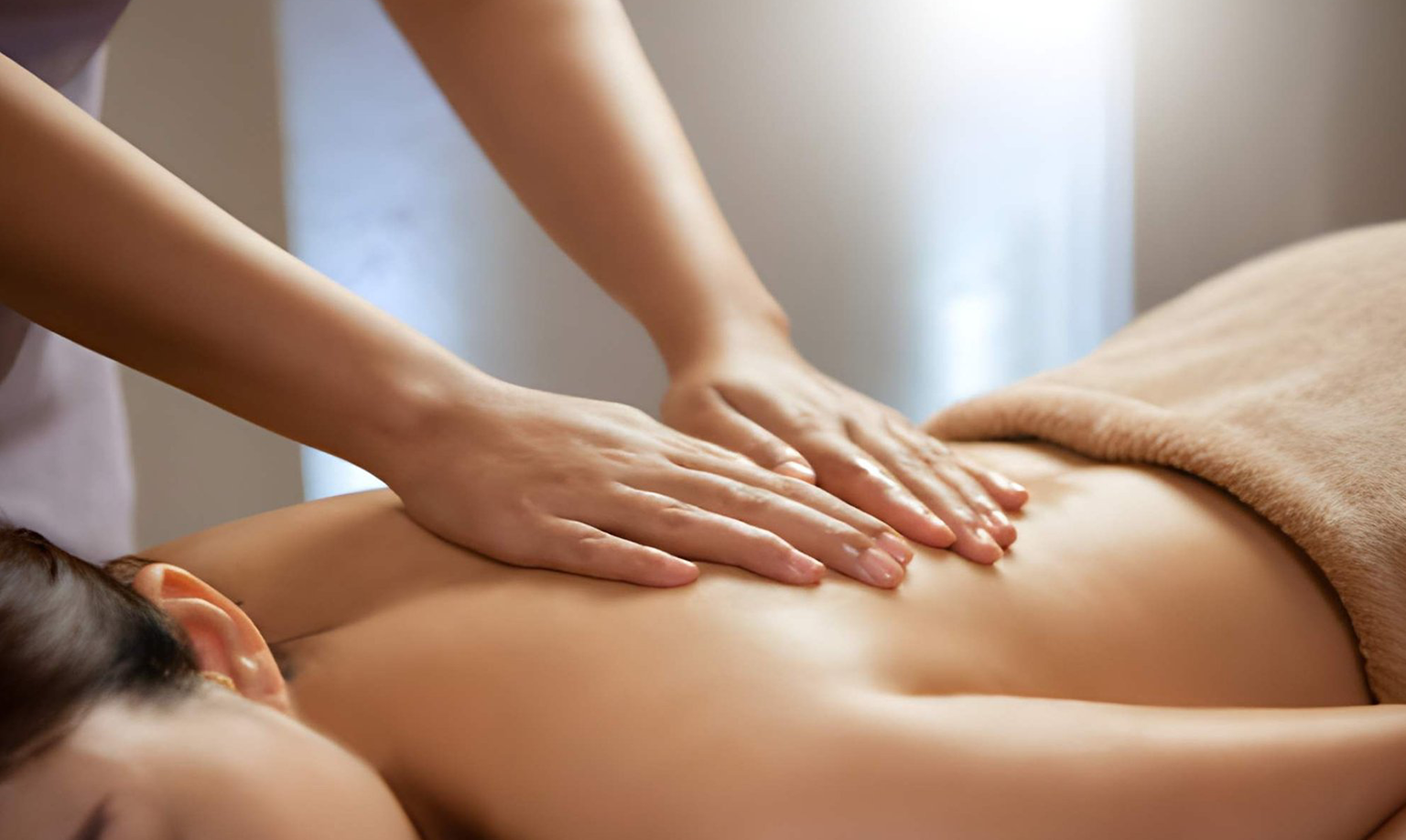
Choosing the right type of massage can significantly influence your physical comfort, mental wellbeing, and overall health. Among the most popular forms of Massage Therapy, relaxation massage and deep tissue massage are often compared because they serve different purposes while sharing some similarities.
Many people booking a treatment at a Day Spa or wellness centre in Melbourne CBD are unsure which option best suits their needs. While both approaches involve skilled touch, professional techniques, and therapeutic benefits, the goals and outcomes can vary considerably.
Understanding the differences between Relaxation Massage vs Deep Tissue Massage allows you to make an informed decision based on your lifestyle, stress levels, muscle condition, and personal wellness goals.
This guide explores each treatment in detail, explains their benefits, and helps you determine which approach may be most suitable for your individual circumstances.
What Is Relaxation Massage?
Relaxation massage is designed primarily to promote calmness, reduce stress, and encourage overall wellbeing. The treatment focuses on soothing the nervous system through gentle to moderate pressure and flowing massage techniques.
Rather than targeting specific injuries or chronic muscular issues, relaxation massage aims to create a sense of comfort and tranquillity throughout the entire body. The experience often includes long, smooth strokes, rhythmic movements, and a peaceful environment that encourages both physical and mental relaxation.
This form of Relaxation Therapy is commonly chosen by individuals seeking relief from daily stress, workplace tension, or general fatigue.
Typical Techniques Used in Relaxation Massage
Professional Massage Therapists generally use techniques such as:
- Long gliding strokes
- Gentle kneading movements
- Light muscle manipulation
- Rhythmic pressure application
- Relaxing scalp, neck, and shoulder work
The pressure is usually adjusted according to client comfort and rarely reaches the intensity associated with therapeutic muscle correction.
What Is Deep Tissue Massage?
Deep tissue massage is a more focused therapeutic treatment designed to address muscular tension, chronic tightness, movement restrictions, and soft tissue dysfunction.
Unlike relaxation massage, deep tissue techniques target deeper layers of muscle and connective tissue. The treatment uses slower strokes and more concentrated pressure to release adhesions, knots, and persistent muscular tension.
Many people seek deep tissue massage when experiencing discomfort related to physical activity, repetitive workplace tasks, poor posture, or long-term muscle tightness.
While deep tissue massage can provide substantial relief, the treatment may feel intense at times as therapists work through areas of restriction.
Typical Techniques Used in Deep Tissue Massage
Common deep tissue techniques include:
- Slow, deliberate strokes
- Targeted trigger point therapy
- Cross-fibre friction techniques
- Focused pressure on tight muscles
- Myofascial release methods
The therapist typically concentrates on specific problem areas rather than providing an entirely full-body relaxation experience.
The Main Differences
Treatment Goals
The primary purpose of relaxation massage is to calm the body and mind. It supports stress reduction, mental clarity, improved sleep, and general wellbeing.
Deep tissue massage, on the other hand, focuses on addressing muscular dysfunction, mobility limitations, chronic tightness, and physical discomfort.
While relaxation massage aims to help you unwind, deep tissue massage seeks to improve muscular performance and physical function.
Pressure Levels
Pressure is one of the most noticeable differences between the two treatments.
Relaxation massage uses lighter to moderate pressure designed to be soothing and comfortable throughout the session.
Deep tissue massage involves firmer pressure that targets deeper muscle layers. Although it should never be excessively painful, clients may experience temporary discomfort as tight tissues are released.
Areas of Focus
Relaxation massage typically addresses the entire body with equal attention.
Deep tissue massage often focuses on specific areas experiencing tension or dysfunction, such as the neck, shoulders, lower back, hips, or legs.
Client Experience
A relaxation massage session generally feels calming from beginning to end. Many clients leave feeling refreshed, rested, and mentally relaxed.
A deep tissue massage session may involve moments of intensity. Following treatment, clients often report improved mobility and reduced muscular tightness, although mild soreness can occur for a day or two.
Benefits of Relaxation Massage
Relaxation massage offers numerous physical and psychological benefits that support overall Health and Wellbeing.
Stress Reduction
Modern lifestyles frequently involve long working hours, digital overload, and ongoing responsibilities. Relaxation massage helps activate the body’s parasympathetic nervous system, encouraging a calmer physiological state.
Improved Sleep Quality
Many people find that regular massage sessions contribute to deeper, more restorative sleep by reducing physical tension and calming the mind.
Enhanced Circulation
Gentle massage movements encourage healthy blood flow throughout the body, supporting tissue nourishment and recovery.
Mental Wellbeing
Massage can promote feelings of relaxation, emotional balance, and improved mood. This makes it a valuable component of a broader Self Care routine.
Support for Holistic Wellness
As part of a comprehensive approach to Holistic Wellness, relaxation massage complements other Wellness Treatments such as meditation, mindfulness practices, stretching, and healthy lifestyle habits.
Benefits of Deep Tissue Massage
Deep tissue massage provides therapeutic advantages that extend beyond simple relaxation.
Relief from Chronic Muscle Tension
Persistent tightness caused by repetitive movements, prolonged sitting, or physical activity can often be addressed through targeted deep tissue techniques.
Improved Mobility
By releasing muscle restrictions and connective tissue tightness, deep tissue massage may help improve flexibility and movement patterns.
Postural Support
Many office workers develop muscular imbalances from prolonged desk work. Deep tissue massage can assist in reducing tension associated with poor posture.
Recovery After Physical Activity
Active individuals frequently use deep tissue massage as part of their recovery strategy to manage muscle fatigue and maintain physical performance.
Management of Muscular Discomfort
Targeted treatment may help reduce tension-related discomfort and improve overall muscle function when delivered by experienced Professional Massage Therapists.
Which Massage Is Better for Stress Management?
When the primary goal is Stress Management, relaxation massage is often the preferred choice.
The gentle techniques, calming atmosphere, and focus on full-body comfort create an environment that helps reduce mental and physical stress simultaneously.
Deep tissue massage can also contribute to stress reduction, particularly when muscular tension is a major source of discomfort. However, the treatment’s intensity means it is generally selected for therapeutic outcomes rather than pure relaxation.
Which Massage Is Better for Office Workers?
Many professionals working in Melbourne CBD spend extended periods sitting at desks, using computers, and maintaining static postures.
For individuals experiencing general workplace stress and fatigue, relaxation massage may provide excellent relief.
For those dealing with chronic neck stiffness, shoulder tightness, or lower back discomfort, deep tissue massage may be more beneficial due to its targeted therapeutic approach.
In some cases, clients alternate between both treatments to address physical tension while maintaining regular relaxation and wellbeing support.
Can You Combine Relaxation and Deep Tissue Techniques?
Yes. Many experienced therapists integrate elements of both modalities during a single session.
A treatment may begin with relaxation-focused techniques to warm the muscles and calm the nervous system before progressing into deeper work on specific areas of tension.
This blended approach allows clients to experience the benefits of relaxation while also addressing problem areas that require therapeutic attention.
Visitors searching for a massage melbourne cbd experience often discover that customised treatments provide a balanced combination of comfort and therapeutic effectiveness.
Factors to Consider When Choosing Between the Two
Your Primary Goal
If your objective is stress relief, mental relaxation, and self-care, relaxation massage is often the most suitable choice.
If your goal is improving muscle function, reducing chronic tightness, or addressing movement restrictions, deep tissue massage may be more appropriate.
Your Pain Tolerance
Deep tissue massage can feel intense, particularly when addressing long-standing tension. Individuals who prefer gentle treatments may find relaxation massage more comfortable.
Your Activity Levels
Athletes, fitness enthusiasts, and physically active individuals often benefit from deep tissue techniques. Those seeking general wellbeing support may prefer relaxation-focused treatments.
Your Stress Levels
People experiencing mental fatigue, burnout, or emotional stress often gain significant value from regular relaxation massage sessions as part of their overall wellness strategy.
The Role of Professional Massage Therapists
The effectiveness of any massage treatment depends heavily on the knowledge and experience of the therapist.
Qualified Professional Massage Therapists assess individual needs, health history, comfort preferences, and treatment goals before recommending an appropriate approach.
Whether receiving treatment in Melbourne, regional Victoria, or elsewhere in Australia, choosing a reputable practitioner helps ensure a safe and beneficial experience.
Professional therapists understand when relaxation techniques are most appropriate and when deeper therapeutic interventions may be required.
Massage Therapy as Part of a Wellness Routine
Massage should not be viewed as a luxury reserved for occasional indulgence. Many people incorporate regular Massage Therapy into broader Health and Wellbeing strategies.
Combined with exercise, quality sleep, proper nutrition, hydration, and mindfulness practices, massage can support both physical and mental wellness.
Regular sessions may help individuals maintain balance, manage stress, improve body awareness, and enhance overall quality of life.
Across Melbourne and throughout Australia, massage continues to play an important role in modern wellness culture as people increasingly prioritise preventive care and self-care practices.
Conclusion
Understanding the differences between Relaxation Massage vs Deep Tissue Massage can help you choose the treatment that aligns with your personal needs and wellness goals.
Relaxation massage focuses on reducing stress, promoting calmness, and supporting overall wellbeing through gentle techniques. Deep tissue massage targets deeper muscle layers to address chronic tension, movement restrictions, and physical discomfort.
Neither option is inherently better than the other. The most suitable choice depends on your individual circumstances, lifestyle, and treatment objectives. Some people benefit most from relaxation-focused sessions, while others require therapeutic deep tissue work. Many individuals find that a combination of both provides the ideal balance between relaxation and physical recovery.
By working with qualified therapists and understanding your body’s needs, you can make informed decisions that support long-term health, wellness, and quality of life.
Frequently Asked Questions
Is deep tissue massage more effective than relaxation massage?
Not necessarily. Effectiveness depends on your goals. Deep tissue massage is often more suitable for addressing chronic muscle tension, mobility restrictions, and physical discomfort. Relaxation massage is generally better for reducing stress, promoting mental calmness, and supporting overall wellbeing. The best choice depends on what you hope to achieve from the treatment.
Does deep tissue massage hurt?
Deep tissue massage can involve some discomfort because it targets deeper muscle layers and areas of tension. However, the pressure should remain manageable and should never feel unbearable. A qualified therapist will adjust techniques based on your comfort level and communicate throughout the session to ensure the treatment remains safe and effective.
How often should I get a relaxation massage?
The ideal frequency varies according to individual needs, lifestyle, and stress levels. Many people find that receiving a relaxation massage every two to four weeks helps maintain stress management, relaxation, and overall wellbeing. Others may benefit from more frequent sessions during particularly demanding periods of work or personal commitments.
Can relaxation massage help with anxiety and stress?
Relaxation massage may help reduce physical symptoms associated with stress and anxiety by encouraging muscle relaxation and calming the nervous system.
While it is not a medical treatment for anxiety disorders, many individuals report feeling calmer, more balanced, and mentally refreshed following regular massage sessions as part of a broader self-care routine.
Who should choose deep tissue massage?
Deep tissue massage is often suitable for individuals experiencing chronic muscle tightness, postural tension, repetitive strain, or discomfort related to physical activity.
Office workers, athletes, and people with ongoing muscular restrictions frequently benefit from this type of treatment. Consulting a qualified massage therapist can help determine whether deep tissue techniques are appropriate for your needs.