
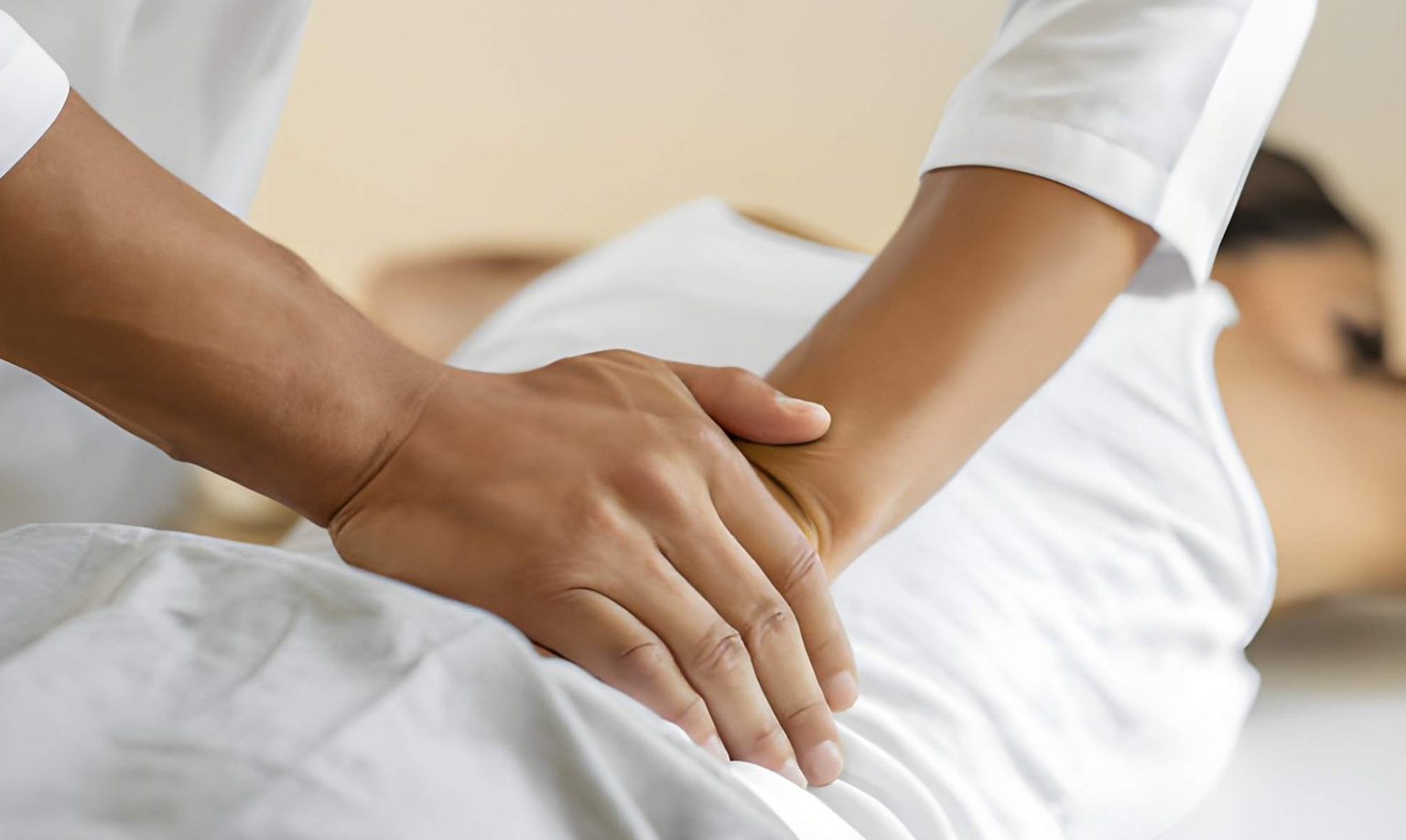
Lower back pain is one of the most common musculoskeletal complaints affecting Australians of all ages. Whether it develops from sitting at a desk for long hours, physically demanding work, sports activities, or everyday wear and tear, discomfort in the lower back can interfere with work, sleep, exercise, and daily routines.
Massage for lower back pain is widely recognised as a supportive therapy that helps relieve muscle tension, encourage relaxation, and improve movement.
While it is not a cure for every cause of back pain, it can play an important role in managing symptoms alongside appropriate exercise, healthy movement habits, and professional healthcare advice when required.
Across Melbourne, including Melbourne CBD, many people include massage therapy as part of a broader approach to health and wellbeing. Professional massage therapists often work alongside other wellness practices to help clients improve comfort, reduce stress, and support long-term physical wellbeing.
Understanding Lower Back Pain
The lower back supports much of the body’s weight while allowing flexibility for walking, bending, lifting, and twisting. Because of these demands, the muscles, joints, ligaments, and connective tissues in this area can become strained over time.
Lower back pain may develop gradually or appear suddenly following physical activity. Common contributing factors include:
- Poor posture while sitting or standing
- Extended periods of desk work
- Heavy lifting without proper technique
- Muscle overuse during exercise
- Stress-related muscle tension
- Reduced physical activity
- Age-related changes affecting muscles and joints
Many cases involve muscular tightness rather than serious injury. However, persistent, severe, or worsening pain should always be assessed by a qualified healthcare professional.
How Massage Therapy May Help Lower Back Pain
Massage therapy focuses on manipulating soft tissues to encourage relaxation, improve circulation, and reduce muscular tension. When muscles surrounding the lower back become tight or overworked, they can restrict movement and contribute to ongoing discomfort.
A professional massage therapist evaluates muscle tightness, movement patterns, and areas of tenderness before selecting suitable techniques based on individual needs.
Reducing Muscle Tension
One of the primary goals of massage is releasing excessive muscle tightness. Tight muscles surrounding the lumbar spine may place additional strain on nearby joints and connective tissues.
Gentle to firm massage techniques can help muscles relax, allowing improved comfort during everyday movement.
Supporting Better Circulation
Massage encourages healthy blood flow throughout soft tissues. Improved circulation delivers oxygen and nutrients while supporting the body’s natural recovery processes after physical activity or prolonged sitting.
Improving Flexibility and Mobility
Restricted muscles often limit range of motion. Massage may help improve flexibility by reducing muscular stiffness, making everyday activities such as bending, walking, or standing feel easier.
Encouraging Relaxation
Stress often contributes to muscular tension, particularly across the shoulders, neck, and lower back. Relaxation therapy encourages the nervous system to shift away from prolonged stress responses, helping muscles release unnecessary tension.
Many people notice they move more freely after a massage because their bodies feel less guarded against discomfort.
Different Massage Techniques for Lower Back Pain
Remedial Massage
Remedial massage targets specific muscular problems and movement restrictions. Therapists assess affected areas before applying techniques designed to improve soft tissue function and support recovery.
Deep Tissue Massage
Deep tissue massage focuses on deeper muscle layers and connective tissue. It may benefit individuals experiencing persistent muscular tightness or chronic tension, although pressure is always adjusted according to comfort and individual needs.
Swedish Massage
Swedish massage uses flowing movements that encourage relaxation and improved circulation. It is often suitable for people experiencing mild muscular tension combined with everyday stress.
Trigger Point Therapy
Trigger points are highly sensitive areas within muscles that may contribute to local or referred pain. Skilled therapists apply controlled pressure to these points to encourage muscular release.
Who May Benefit from Massage?
Massage for lower back pain may be suitable for many people experiencing muscular discomfort, including:
- Office workers sitting for extended periods
- Tradespeople performing repetitive lifting
- Parents carrying young children
- Older adults managing age-related stiffness
- Athletes recovering from training
- People experiencing stress-related muscle tension
Every individual is different, so treatment plans should always reflect personal health history, activity levels, and overall wellbeing goals.
Combining Massage with Healthy Habits
Massage therapy often works best when combined with healthy lifestyle practices rather than being viewed as a standalone solution.
Keep Moving Regularly
Gentle walking, stretching, and strength exercises recommended by healthcare professionals help maintain flexibility while supporting spinal stability.
Improve Workplace Ergonomics
Many Australians spend most of their working day seated. Adjusting chair height, monitor position, and desk setup may reduce unnecessary strain on the lower back.
Practise Good Lifting Technique
Lifting with the legs instead of the back and avoiding twisting while carrying heavy objects helps reduce unnecessary stress on spinal structures.
Manage Daily Stress
Stress management plays an important role in reducing muscular tension. Mindfulness, quality sleep, regular exercise, and relaxation therapy complement massage well.
The Role of Day Spas in Holistic Wellness
Many people associate massage with relaxation, but quality day spas increasingly focus on holistic wellness. Wellness treatments may include massage therapy alongside calming environments that encourage mental and physical recovery.
For people balancing busy work schedules in Melbourne CBD, incorporating occasional visits to a professional wellness setting can support self care routines while encouraging healthier stress management habits.
Those researching options for massage melbourne often seek experienced therapists who understand how personalised treatment plans can support both immediate comfort and long-term wellbeing.
When Massage May Not Be Appropriate
Although massage is generally well tolerated, there are situations where medical assessment should come first.
Seek medical advice if lower back pain is accompanied by:
- Severe trauma or injury
- Loss of bladder or bowel control
- Numbness affecting both legs
- Significant weakness
- Persistent unexplained fever
- Rapidly worsening pain
Professional massage therapists also conduct health assessments before treatment and may recommend referral to another healthcare provider when necessary.
Choosing a Qualified Massage Therapist
Finding an experienced therapist is important for both safety and treatment effectiveness. Qualified massage therapists take time to understand your symptoms, medical history, lifestyle, and treatment goals before beginning therapy.
Good communication allows pressure, techniques, and treatment duration to be tailored to individual comfort levels.
A professional therapist also explains realistic expectations. While some people experience immediate relief, others benefit most from consistent treatment combined with exercise, improved posture, and healthy daily habits.
Conclusion
Massage for lower back pain can be a valuable component of a comprehensive approach to health and wellbeing. By helping reduce muscular tension, encouraging relaxation, improving circulation, and supporting mobility, massage therapy offers benefits that extend beyond temporary comfort.
Combined with regular movement, ergonomic improvements, stress management, and appropriate medical guidance when necessary, massage supports a balanced self care routine that promotes long-term physical wellness.
Whether living in Melbourne, working in Melbourne CBD, or elsewhere in Victoria and Australia, choosing professional massage therapy as part of a holistic wellness plan may help people move more comfortably and enjoy everyday activities with greater confidence.
Frequently Asked Questions
Can massage really help lower back pain?
Massage can help many people experiencing muscular lower back pain by reducing muscle tension, encouraging relaxation, improving circulation, and supporting flexibility. While it does not treat every underlying condition, it often complements exercise programs, physiotherapy, and healthy movement habits. If pain is severe, persistent, or associated with neurological symptoms, medical assessment should be sought before relying solely on massage.
How often should I have a massage for lower back pain?
The ideal frequency depends on your symptoms, activity level, and treatment goals. Some people benefit from weekly sessions during periods of acute muscle tension, while others maintain results with appointments every few weeks. A qualified massage therapist can recommend a schedule based on your individual needs while encouraging complementary strategies such as stretching, strengthening, and posture improvement.
Which massage technique is best for lower back pain?
The most suitable technique depends on the cause of your discomfort. Remedial massage is commonly used for muscular issues, while deep tissue massage may help persistent tightness. Swedish massage focuses on relaxation, and trigger point therapy targets specific muscle knots. A professional therapist will assess your condition and recommend the most appropriate approach rather than using the same treatment for everyone.
Is it normal to feel sore after a massage?
Some people experience mild soreness for a day or two following deeper massage techniques. This usually settles quickly and may be eased by drinking water, gentle stretching, and light movement. Significant or prolonged discomfort is uncommon and should be discussed with your massage therapist or healthcare provider, particularly if symptoms worsen instead of improving.
Can massage prevent future lower back pain?
Massage may help reduce recurring muscular tension when combined with healthy lifestyle habits. Maintaining regular physical activity, strengthening core muscles, improving posture, managing stress, and avoiding prolonged sitting all contribute to long-term spinal health. Massage supports these efforts by promoting relaxation and improving soft tissue function, making it one useful part of an overall health and wellbeing strategy.