
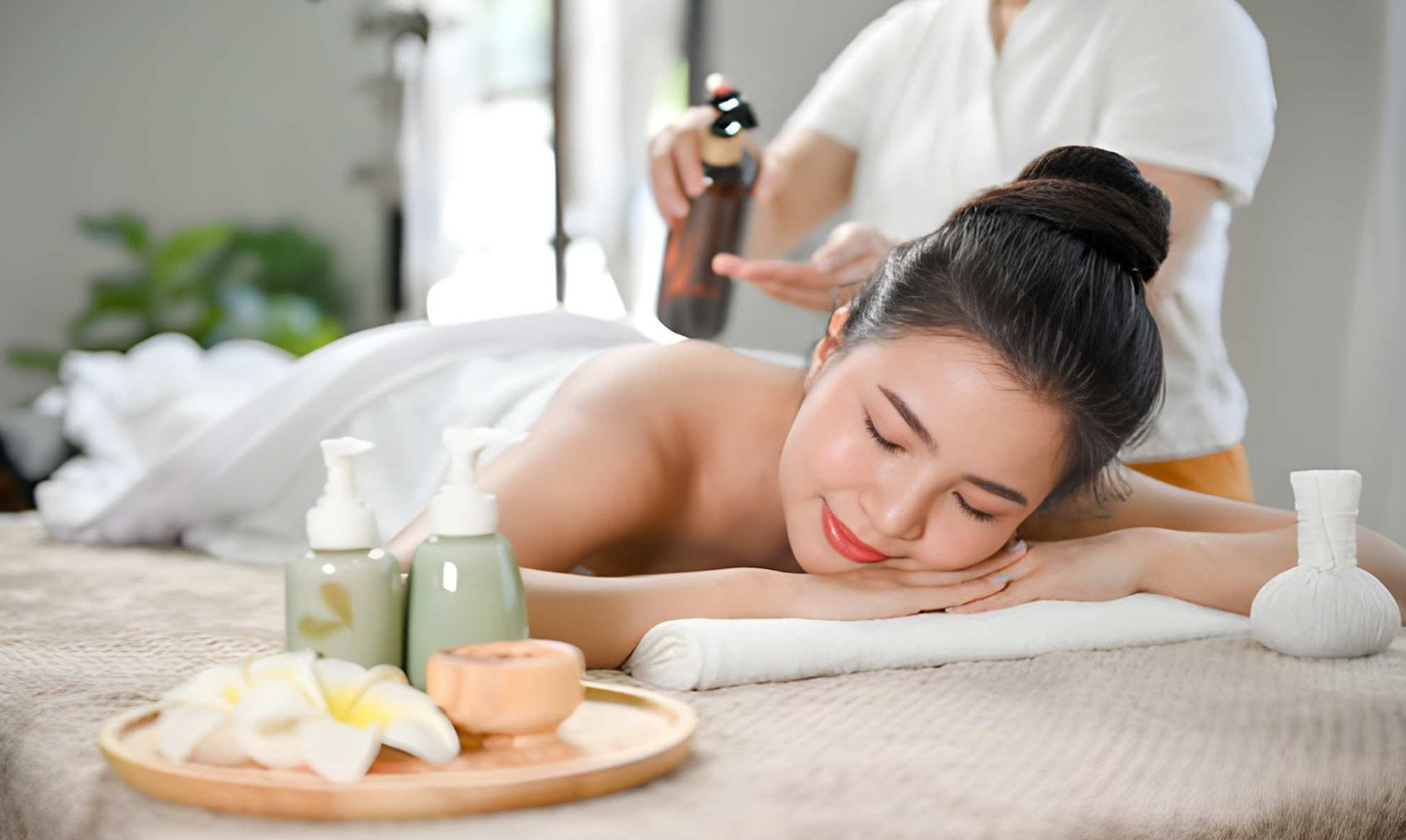
Modern life places significant demands on both the body and mind. Between work responsibilities, family commitments, commuting, digital distractions, and everyday pressures, many people find themselves constantly busy with little time left to recharge. While productivity is often prioritised, personal wellbeing is equally important. This is where self-care becomes an essential part of maintaining a healthy, balanced lifestyle.
The importance of self-care and massage extends beyond occasional relaxation. Together, they support physical recovery, emotional resilience, and mental clarity while encouraging healthier long-term habits. Rather than viewing massage as an occasional luxury, many Australians now recognise it as one element of a comprehensive wellness routine.
Across Melbourne, Melbourne CBD, Victoria, and throughout Australia, more people are incorporating Massage Therapy and other Wellness Treatments into their regular schedules to help manage stress, reduce muscle tension, improve mobility, and support overall Health and Wellbeing.
Understanding how self-care and massage work together allows individuals to make informed choices that benefit both immediate comfort and long-term health.
What Is Self-Care?
Self-care refers to intentional actions that protect and improve physical, emotional, and mental wellbeing. It involves regularly making time for activities that restore energy, improve health, and help individuals cope with daily challenges.
Effective self-care does not necessarily involve expensive products or lengthy routines. Instead, it focuses on sustainable habits such as getting adequate sleep, eating nutritious foods, staying physically active, maintaining social connections, managing stress, and allowing time for relaxation.
Massage Therapy fits naturally into this approach because it addresses both physical discomfort and emotional wellbeing. Rather than treating symptoms in isolation, massage supports the body as part of a broader Holistic Wellness strategy.
Why Self-Care Is Essential in Today’s Lifestyle
Managing Everyday Stress
Stress has become a common part of daily life. While short-term stress can sometimes improve focus, prolonged stress may contribute to fatigue, muscle tightness, headaches, reduced concentration, poor sleep, and decreased quality of life.
Practising regular Self Care helps interrupt this cycle before stress becomes overwhelming. Activities such as mindfulness, exercise, spending time outdoors, and Relaxation Therapy encourage the nervous system to shift away from constant alertness and towards recovery.
Massage complements these practices by promoting relaxation through physical touch, easing muscular tension, and creating dedicated time to disconnect from everyday demands.
Supporting Better Mental Wellbeing
Looking after mental health is just as important as maintaining physical fitness. Many self-care activities help improve mood by encouraging relaxation, reducing feelings of overwhelm, and creating positive routines.
Professional massage sessions often provide a quiet, calming environment free from phones, emails, and daily interruptions. This dedicated time allows both the body and mind to slow down, making it easier to return to everyday responsibilities feeling refreshed.
Preventing Burnout
Burnout develops gradually when prolonged stress is combined with insufficient recovery. Common signs include ongoing exhaustion, irritability, poor motivation, and reduced productivity.
Regular self-care encourages consistent recovery rather than waiting until physical or emotional exhaustion becomes severe. Scheduling time for Wellness Treatments, relaxation, exercise, and quality sleep can significantly reduce the likelihood of burnout over time.
Understanding the Role of Massage Therapy
Massage Therapy involves manipulating soft tissues using various techniques designed to reduce muscular tension, improve circulation, promote relaxation, and support recovery.
Professional Massage Therapists tailor treatments according to each individual’s needs, lifestyle, health goals, and physical condition. No two sessions are exactly alike because every person’s body responds differently to stress, physical activity, and daily movement.
Massage may be suitable for office workers experiencing postural discomfort, athletes recovering from training, parents balancing busy schedules, or anyone seeking improved relaxation and wellbeing.
How Massage Supports Self-Care
Reducing Muscle Tension
Many people spend hours sitting at desks, driving, or looking down at mobile devices. These repetitive positions often lead to tight shoulders, stiff necks, sore backs, and restricted movement.
Massage helps release muscular tension while encouraging improved flexibility and comfort. Combined with stretching and regular movement, massage can become an effective part of a long-term self-care routine.
Encouraging Better Sleep
Quality sleep allows the body to recover physically while supporting memory, mood, immune function, and energy levels.
People experiencing stress or muscle discomfort often struggle to fall asleep or remain asleep throughout the night. Relaxation Therapy through massage may help prepare the body for restful sleep by encouraging relaxation and reducing physical discomfort.
Supporting Stress Management
Stress Management involves both reducing sources of stress where possible and improving the body’s ability to recover from unavoidable pressures.
Massage creates an opportunity to slow breathing, reduce muscle guarding, and promote a sense of calm. Many individuals report feeling mentally clearer after regular massage sessions because physical relaxation often supports emotional wellbeing.
Improving Body Awareness
Many people ignore minor aches until they become significant problems. Regular massage encourages greater awareness of posture, movement patterns, and areas of tension.
This increased awareness often motivates healthier daily habits, including improved ergonomics, stretching, hydration, and physical activity.
The Benefits of Professional Massage Therapists
Working with Professional Massage Therapists offers advantages beyond relaxation alone.
Qualified practitioners assess muscular tension, identify areas of tightness, and recommend appropriate treatment approaches based on each client’s circumstances. Their understanding of anatomy and movement allows treatments to be adapted for different lifestyles, occupations, and activity levels.
Whether someone requires gentle relaxation or more focused muscular work, experienced therapists help ensure treatments remain safe, appropriate, and effective.
Massage as Part of Holistic Wellness
Holistic Wellness recognises that physical, emotional, and mental health are closely connected. Rather than addressing one area in isolation, holistic approaches consider the whole person.
Massage works particularly well alongside other healthy lifestyle habits including:
- Regular physical activity
- Balanced nutrition
- Adequate hydration
- Quality sleep
- Mindfulness practices
- Stress management techniques
- Healthy work-life balance
When combined, these habits create a stronger foundation for long-term Health and Wellbeing.
The Role of Day Spas in Self-Care
Many people associate Day Spa visits purely with indulgence, yet they can also support meaningful self-care. A calming environment encourages individuals to step away from busy schedules and focus entirely on recovery and relaxation.
Many Day Spas combine Massage Therapy with complementary Wellness Treatments designed to enhance relaxation and encourage restorative experiences. Depending on individual preferences, treatments may include body therapies, facials, hydrotherapy, or relaxation lounges that extend the benefits of massage.
For residents and visitors exploring wellbeing options across Melbourne CBD, setting aside time for a professional wellness experience can become part of a balanced lifestyle rather than an occasional treat.
Many people searching for massage melbourne cbd are looking for more than temporary relief. They are often seeking qualified therapists and wellness environments that support consistent self-care habits within their busy routines.
Creating a Sustainable Self-Care Routine
Schedule Time for Yourself
Self-care often gets postponed because daily responsibilities seem more urgent. Scheduling regular time for personal wellbeing increases the likelihood that healthy habits become consistent rather than occasional.
Listen to Your Body
Persistent fatigue, ongoing muscle tightness, poor sleep, or frequent headaches may indicate that your body needs additional recovery.
Paying attention to these early signs allows small issues to be addressed before they become larger concerns.
Balance Activity and Recovery
Exercise is important, but recovery is equally valuable. Muscles require time to repair after physical activity, particularly for individuals participating in sports or physically demanding occupations.
Massage can complement exercise by supporting recovery and helping maintain flexibility and movement.
Combine Multiple Wellness Practices
Rather than relying on one strategy, combine massage with regular exercise, stretching, healthy eating, hydration, mindfulness, and sufficient sleep.
This integrated approach produces more sustainable results than any single wellness activity on its own.
Common Misconceptions About Massage
Massage Is Only for Relaxation
While relaxation remains one of its best-known benefits, massage also supports muscular recovery, flexibility, circulation, and stress management.
Only People in Pain Need Massage
Massage is valuable not only for addressing discomfort but also for maintaining physical wellbeing before problems develop.
One Session Solves Everything
Like exercise or healthy eating, massage delivers its greatest value when incorporated into an ongoing wellness routine. Consistency generally produces better long-term outcomes than occasional treatments.
Who Can Benefit from Regular Massage?
Massage Therapy may benefit a wide range of individuals, including:
- Office workers with prolonged sitting
- Tradespeople performing repetitive physical tasks
- Athletes and active individuals
- Parents managing busy family responsibilities
- Students experiencing study-related stress
- Older adults seeking improved mobility and relaxation
- Anyone looking to improve overall Health and Wellbeing
Each person’s needs differ, which is why personalised treatment from Professional Massage Therapists remains so valuable.
Why Self-Care Is an Investment Rather Than an Expense
Many people hesitate to prioritise self-care because they view it as optional. However, maintaining physical and mental wellbeing often helps improve productivity, relationships, resilience, and overall quality of life.
Investing time in recovery may reduce the long-term effects of chronic stress while encouraging healthier habits that benefit every aspect of daily living.
Self-care is not about avoiding responsibilities. It is about maintaining the energy, health, and resilience needed to meet those responsibilities effectively.
Conclusion
The importance of self-care and massage extends far beyond simple relaxation. Together, they create a practical foundation for healthier living by supporting Stress Management, improving physical comfort, encouraging emotional balance, and promoting long-term Holistic Wellness.
Whether through regular Massage Therapy, mindful relaxation practices, healthy daily habits, or occasional Wellness Treatments at a Day Spa, investing in personal wellbeing benefits both body and mind.
Across Melbourne, Melbourne CBD, Victoria, and throughout Australia, more people are recognising that caring for themselves today helps create healthier, more balanced lives in the future.
Frequently Asked Questions
1. Why is self-care important for overall wellbeing?
Self-care helps maintain physical, emotional, and mental health by encouraging healthy routines that reduce stress and improve resilience. Simple practices such as quality sleep, regular exercise, balanced nutrition, relaxation, and massage contribute to better energy levels and improved quality of life.
Consistent self-care also helps prevent burnout by allowing the body and mind adequate time to recover from everyday demands.
2. How does massage support self-care?
Massage supports self-care by reducing muscle tension, encouraging relaxation, promoting recovery, and providing dedicated time away from daily pressures.
Many people include massage alongside exercise, stretching, mindfulness, and healthy eating to create a balanced wellness routine. Regular treatments may also improve body awareness, helping individuals recognise and address physical tension before it becomes more significant.
3. How often should someone include massage in their self-care routine?
The ideal frequency depends on individual goals, activity levels, and lifestyle. Some people benefit from monthly sessions for general wellbeing, while others experiencing higher physical demands or ongoing muscular tension may choose more frequent appointments. Speaking with a qualified massage therapist can help determine an appropriate schedule based on personal needs and overall health objectives.
4. Is massage suitable even if I do not have pain?
Yes. Massage is commonly used as a preventative wellness practice rather than solely as a response to pain. Regular treatments can support relaxation, improve flexibility, reduce accumulated muscular tension, and complement an active lifestyle. Many people receive massage simply to maintain overall wellbeing and manage everyday stress before discomfort develops.
5. Can massage replace other healthy lifestyle habits?
Massage is most effective when combined with other positive lifestyle choices rather than replacing them. Maintaining regular exercise, nutritious eating habits, adequate sleep, hydration, and effective stress management creates a stronger foundation for long-term health.
Massage enhances these habits by supporting recovery and encouraging relaxation as part of a comprehensive approach to holistic wellbeing.