
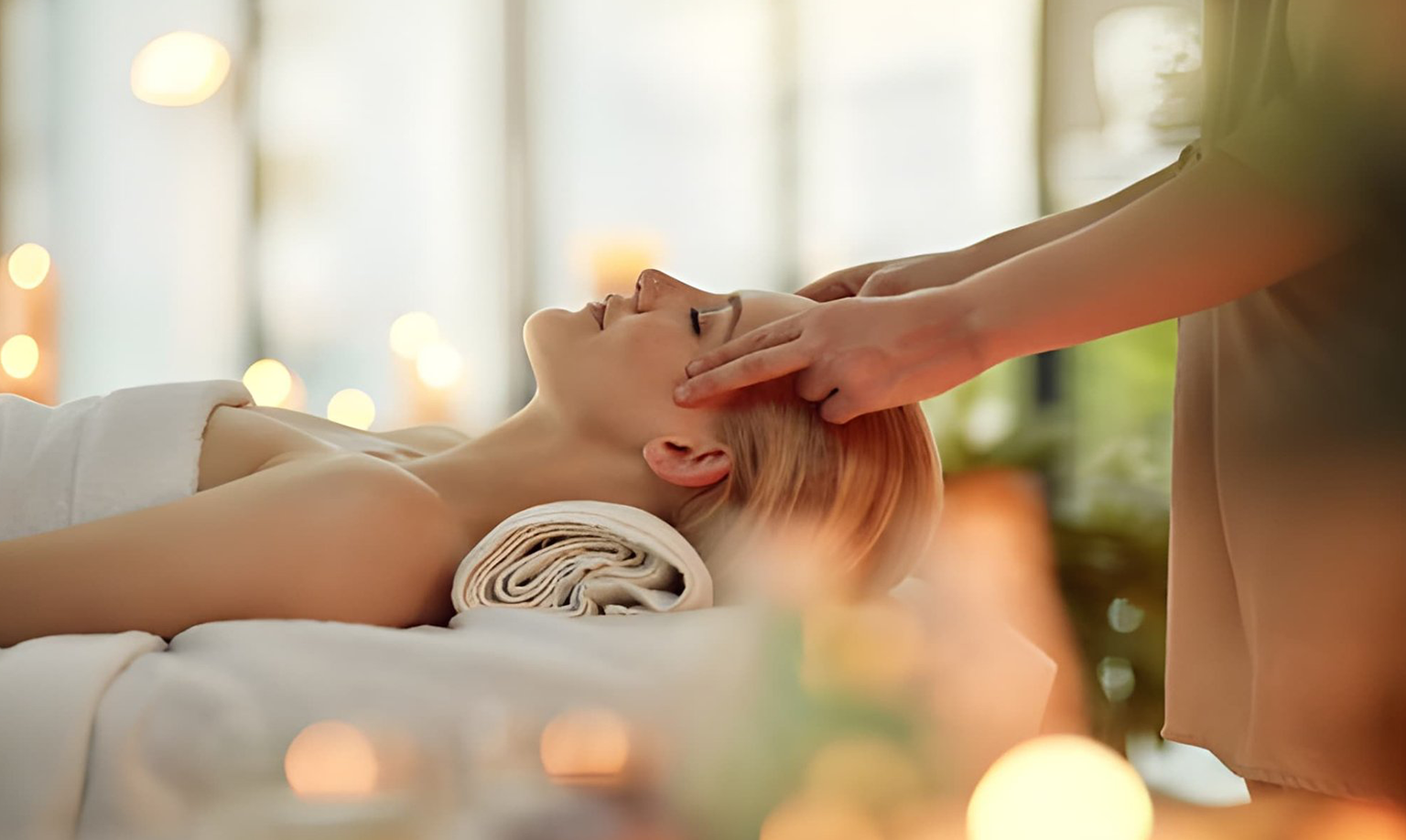
Modern life places significant demands on both the body and mind. Long hours at work, increased screen time, physical inactivity, busy schedules, and ongoing stress can gradually affect overall health and wellbeing.
While many people focus on exercise, nutrition, and sleep when creating a healthy lifestyle, massage therapy is another valuable wellness practice that can contribute to long-term physical and mental health.
Massage has been used for thousands of years across different cultures as a natural approach to promoting relaxation, reducing discomfort, and supporting the body’s recovery processes. Today, massage therapy is widely recognised as an important component of holistic wellness and preventative self care.
Whether someone visits a day spa in Melbourne CBD for relaxation or receives regular therapeutic treatments from professional massage therapists, massage can play a meaningful role in supporting overall wellness.
Understanding how massage affects the body and mind can help individuals make informed decisions about incorporating it into their health and wellbeing routine.
Understanding Wellness Beyond the Absence of Illness
Wellness is more than simply avoiding disease or injury. It involves achieving balance across multiple aspects of life, including physical health, mental wellbeing, emotional resilience, social connections, and lifestyle habits.
True wellness is often described as a proactive approach to health. Instead of waiting until symptoms develop, individuals take steps to maintain balance and support their body’s natural functions.
Massage therapy aligns with this wellness-focused approach because it addresses both physical and psychological factors that influence overall health. By helping the body relax and recover, massage can contribute to improved quality of life and better daily functioning.
How Massage Therapy Affects the Body
Massage therapy involves the skilled manipulation of soft tissues, including muscles, tendons, ligaments, and connective tissues. Different techniques are used depending on the goals of the treatment, whether those goals involve relaxation, recovery, stress reduction, or improved mobility.
During a massage session, pressure and movement stimulate various physiological responses throughout the body. These responses can influence circulation, muscle tension, nervous system activity, and overall comfort.
Improved Blood Circulation
One of the primary effects of massage therapy is improved circulation. Gentle pressure and rhythmic movements encourage blood flow throughout the body, helping oxygen and nutrients reach muscles and tissues more efficiently.
Healthy circulation supports tissue repair, assists with recovery after physical activity, and helps maintain optimal body function. Improved blood flow may also contribute to reduced feelings of muscle fatigue and stiffness.
Support for Lymphatic Function
The lymphatic system plays an important role in maintaining fluid balance and supporting immune function. Unlike the circulatory system, the lymphatic system relies on movement and muscle activity to transport lymph fluid.
Certain massage techniques may help encourage lymphatic flow, supporting the body’s natural waste removal processes and promoting a feeling of lightness and wellbeing.
Reduced Muscle Tension
Many people experience muscle tightness as a result of prolonged sitting, repetitive movements, exercise, stress, or poor posture. Massage can help release tension in overworked muscles and improve flexibility.
When muscles become less tense, people often experience greater comfort during daily activities and improved freedom of movement.
The Connection Between Massage and Stress Management
Stress has become one of the most common health challenges in modern society. While occasional stress is a normal part of life, chronic stress can negatively affect both physical and mental wellbeing.
Ongoing stress may contribute to sleep disturbances, muscle tension, headaches, reduced concentration, fatigue, and emotional exhaustion.
Massage therapy is widely valued as an effective relaxation therapy because it helps activate the body’s parasympathetic nervous system, often referred to as the “rest and digest” response.
Encouraging Relaxation Responses
During a massage, the body often shifts away from a heightened state of alertness. Heart rate may slow, breathing may become deeper, and muscles begin to relax.
This physiological response can help individuals feel calmer, more centred, and better able to manage everyday pressures.
Supporting Emotional Wellbeing
Massage is not solely a physical experience. Many individuals report feeling emotionally refreshed after a treatment.
The combination of a peaceful environment, therapeutic touch, and dedicated time for self care can help reduce feelings of overwhelm and promote emotional balance.
For people living and working in busy urban environments such as Melbourne CBD, regular relaxation therapy may provide an opportunity to disconnect from daily demands and prioritise wellbeing.
Massage and Better Sleep Quality
Quality sleep is essential for overall wellness. During sleep, the body performs critical recovery and restoration processes that affect physical health, cognitive function, and emotional wellbeing.
Unfortunately, stress, discomfort, and busy lifestyles often interfere with healthy sleep patterns.
Massage therapy may support better sleep by encouraging relaxation and helping reduce physical tension. Individuals who feel less stressed and more comfortable are often better positioned to establish healthy sleep routines.
Improved sleep can have a positive ripple effect throughout many areas of life, including energy levels, mood, productivity, and overall health.
Supporting Physical Recovery and Mobility
Physical activity is a key component of wellness, but exercise places demands on muscles and connective tissues. Recovery is an essential part of maintaining long-term physical health.
Massage therapy is commonly incorporated into recovery routines because it helps address muscle tightness and supports mobility.
Recovery After Exercise
People who participate in sport, fitness training, running, cycling, or recreational activities may experience muscle soreness and fatigue following exercise.
Massage can complement recovery efforts by helping muscles relax and promoting circulation to working tissues.
While massage is not a replacement for proper training, nutrition, hydration, or rest, it can be a valuable addition to a comprehensive recovery strategy.
Supporting Mobility and Flexibility
Maintaining flexibility becomes increasingly important as people age. Reduced mobility can affect comfort, posture, and overall function.
Massage therapy may assist in improving movement quality by reducing muscle tightness and encouraging greater flexibility. Combined with regular stretching and physical activity, massage can contribute to long-term mobility.
The Role of Massage in Holistic Wellness
Holistic wellness recognises that physical, emotional, and mental health are interconnected. Rather than focusing on isolated symptoms, holistic approaches consider the whole person.
Massage therapy fits naturally within this framework because its benefits often extend beyond a single area of health.
A person may initially seek massage to relieve muscle tension but also experience improvements in stress levels, sleep quality, mood, and overall wellbeing.
This broader impact helps explain why massage remains one of the most popular wellness treatments across Australia and around the world.
Massage as a Self Care Practice
Self care involves intentional actions that support health and wellbeing. While self care can include activities such as exercise, mindfulness, healthy eating, and rest, massage therapy is increasingly recognised as a valuable component of a balanced lifestyle.
Many individuals struggle to prioritise their own wellbeing amid work responsibilities, family commitments, and social obligations. Scheduling regular massage appointments can encourage dedicated time for personal health and relaxation.
Those exploring wellness options in Melbourne often find that services offered through a day spa melbourne experience provide a structured opportunity to focus on self care while enjoying a calm and restorative environment.
The Importance of Professional Massage Therapists
The quality of a massage experience depends significantly on the knowledge and skills of the practitioner.
Professional massage therapists understand anatomy, physiology, muscle function, and various treatment techniques. They can adapt sessions to individual needs and wellness goals.
Whether someone seeks relaxation therapy, support for physical recovery, or assistance with stress management, working with a qualified professional helps ensure treatments are both safe and appropriate.
In cities such as Melbourne and throughout Victoria, individuals have access to a wide range of qualified practitioners offering diverse massage modalities and wellness treatments.
How Wellness Treatments Work Together
Massage therapy is most effective when viewed as part of a broader wellness strategy rather than a standalone solution.
Healthy lifestyle habits often work together to support optimal wellbeing. Regular movement, balanced nutrition, quality sleep, stress management techniques, and wellness treatments can collectively contribute to better health outcomes.
For example, a person who combines massage therapy with regular exercise, mindfulness practices, and adequate rest may experience greater overall benefits than relying on any single wellness intervention alone.
Why Massage Remains Popular in Australia
Across Australia, increasing awareness of preventative health and wellbeing has contributed to growing interest in massage therapy.
People are becoming more proactive about managing stress, maintaining physical health, and investing in activities that support long-term wellness.
Massage appeals to a broad range of individuals because it addresses multiple aspects of health simultaneously. From office workers experiencing postural tension to athletes seeking recovery support, massage offers benefits that align with diverse wellness goals.
In metropolitan areas such as Melbourne CBD, wellness-focused services continue to play an important role in helping residents balance the demands of modern urban life.
Practical Tips for Incorporating Massage Into Your Wellness Routine
Individuals interested in making massage part of their wellness journey can start by identifying their primary goals. Some people prioritise relaxation, while others focus on recovery, mobility, or stress reduction.
Consistency is often more valuable than occasional treatments. Establishing a regular schedule based on personal needs and lifestyle can help maximise potential benefits.
It is also important to communicate openly with your massage therapist about any health concerns, preferences, or goals. Clear communication helps create a treatment plan that aligns with your individual wellbeing objectives.
Combining massage with healthy lifestyle habits can further support long-term wellness and improve overall quality of life.
Conclusion
Massage therapy offers far more than temporary relaxation. Through its effects on circulation, muscle tension, stress management, recovery, sleep quality, and emotional wellbeing, massage can play a valuable role in supporting overall wellness.
As part of a holistic approach to health, massage helps individuals care for both body and mind. Whether incorporated into a regular self care routine or used periodically during times of increased stress, massage therapy provides meaningful support for long-term health and wellbeing.
For individuals across Melbourne, Victoria, and Australia, massage remains a practical and accessible wellness treatment that complements healthy lifestyle choices and encourages a more balanced approach to everyday living.
Frequently Asked Questions
How does massage support overall wellness?
Massage supports overall wellness by helping reduce muscle tension, promoting relaxation, improving circulation, and encouraging stress management. These benefits can positively influence physical comfort, mental wellbeing, sleep quality, and recovery. When incorporated into a healthy lifestyle, massage contributes to a more balanced approach to health and self care.
Can massage help reduce stress levels?
Yes. Massage is widely used as a relaxation therapy that helps calm the nervous system and reduce the physical effects of stress. Many people experience a sense of relaxation, improved mood, and reduced muscle tension after a session. Regular treatments may support ongoing stress management when combined with other healthy lifestyle practices.
Is massage beneficial for people who do not have pain?
Absolutely. Many people use massage as a preventative wellness treatment rather than seeking it only when discomfort occurs. Massage can support relaxation, flexibility, recovery, stress reduction, and overall wellbeing. It is commonly incorporated into self care routines even by individuals who are otherwise healthy and active.
How often should someone receive massage therapy for wellness?
The ideal frequency depends on individual goals, lifestyle, stress levels, and physical activity. Some people benefit from monthly sessions, while others prefer more regular appointments during periods of increased stress or physical demand. A qualified massage therapist can help determine an appropriate schedule based on personal needs.
Can massage be part of a holistic wellness plan?
Yes. Massage therapy is often included within holistic wellness approaches because it supports both physical and mental wellbeing. When combined with healthy nutrition, exercise, quality sleep, mindfulness, and other wellness treatments, massage can contribute to a comprehensive strategy focused on long-term health and wellbeing.