
Modern wellness culture reflects a growing awareness of how everyday choices influence physical health, emotional balance and overall quality of life. It extends beyond exercise and nutrition to include sleep, stress management, relaxation, social connections and personal fulfilment.
Across Melbourne, Victoria and Australia, people are exploring different ways to care for themselves amid busy schedules and professional responsibilities. Activities such as massage therapy, mindfulness, outdoor exercise and day spa experiences have become part of a broader approach to health and wellbeing.
However, understanding modern wellness culture means looking beyond popular trends. Genuine wellbeing involves recognising individual needs, making informed decisions and developing sustainable habits that support everyday life.
What Is Modern Wellness Culture?
Modern wellness culture describes the habits, attitudes and services people use to support their physical, mental and emotional wellbeing. It combines established health practices with contemporary approaches to relaxation, personal development and lifestyle management.
Rather than focusing exclusively on treating illness, wellness encourages people to pay attention to daily habits that influence their quality of life. This includes maintaining a balanced diet, getting sufficient sleep, staying physically active and making time to recover from stress.
Wellness looks different for everyone. One person might prioritise regular exercise, while another may focus on improving sleep or creating a healthier work-life balance. For some, relaxation therapy or a professional massage provides an opportunity to unwind.
The central principle is that wellbeing involves several interconnected aspects of life rather than one isolated activity.
The Main Elements of a Modern Wellness Lifestyle
Physical Health and Everyday Movement
Physical wellness involves supporting the body through regular movement, balanced nutrition, sufficient sleep and appropriate healthcare. It does not require an elaborate fitness programme or expensive equipment.
Walking, stretching, swimming and other enjoyable activities can contribute to a healthier routine. Small changes, such as taking movement breaks during the working day, can also help people avoid prolonged periods of sitting.
Massage therapy may complement these habits by helping some people experience temporary relief from muscular tension and relaxation. However, massage should not replace medical assessment when pain is persistent, severe or unexplained.
A balanced approach combines suitable physical activity, recovery and professional guidance when necessary.
Mental and Emotional Wellbeing
Mental wellbeing is an important part of contemporary wellness culture. Constant notifications, demanding workloads and competing responsibilities can make it difficult to switch off and concentrate on the present moment.
Practical approaches include setting boundaries around work, spending time outdoors, maintaining supportive relationships and making room for enjoyable activities. Mindfulness and breathing exercises may also help some people manage everyday stress.
For example, someone who regularly works late might benefit from establishing a consistent finishing time and taking a short walk after work. These simple changes can create a clearer transition between professional responsibilities and personal time.
Wellness practices are not substitutes for mental health treatment. People experiencing persistent anxiety, low mood or significant emotional distress should consider speaking with a qualified healthcare professional.
Rest, Recovery and Relaxation
Rest is often overlooked in discussions about productivity. Yet recovery is an important part of maintaining a sustainable lifestyle.
Relaxation can involve simple activities at home, such as reading, listening to music or enjoying a quiet evening. It may also include meditation, restorative movement sessions or treatments at a day spa.
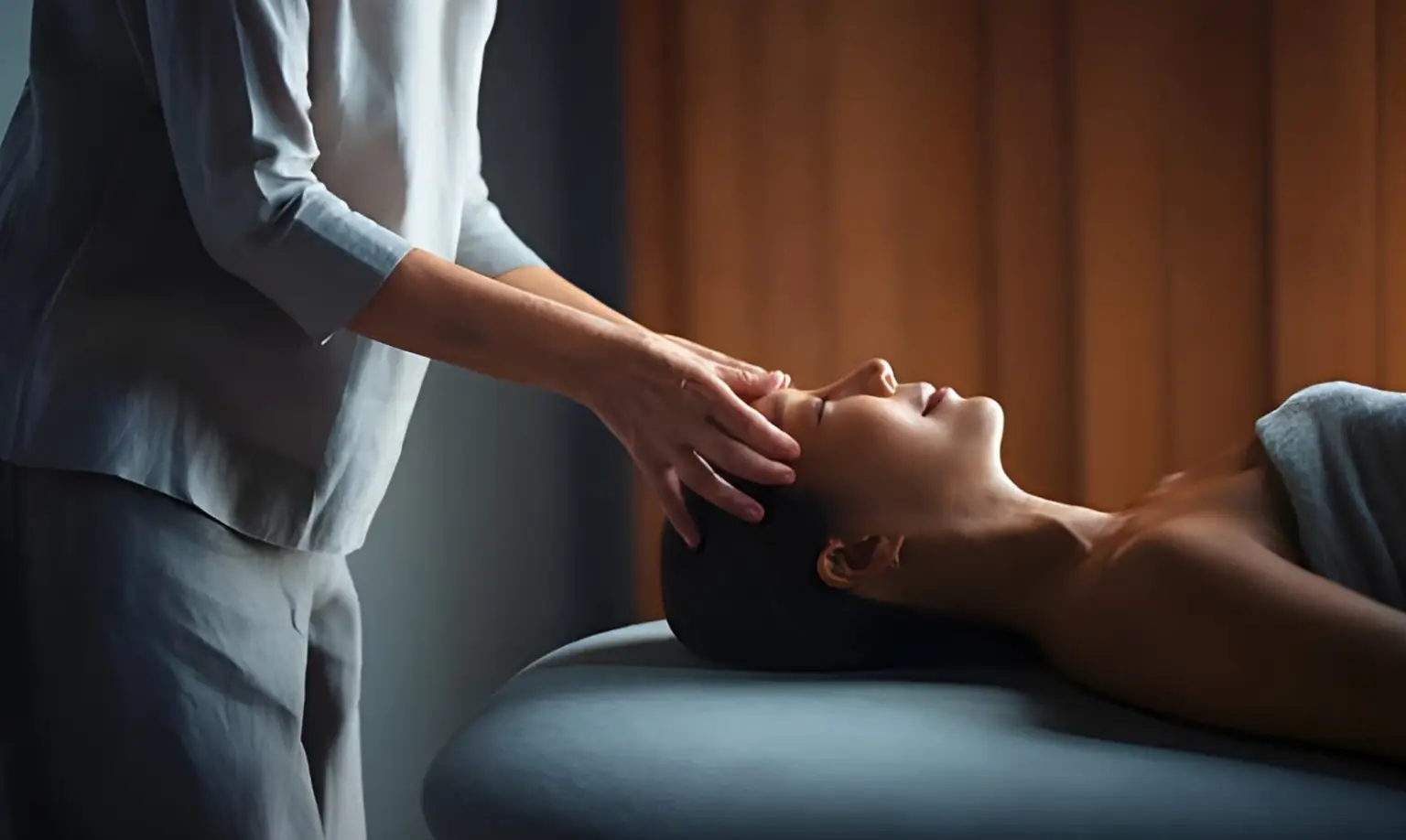
A professional massage can provide dedicated time away from everyday distractions. Depending on the technique, a session may focus on gentle relaxation or general muscular comfort.
Professional massage therapists should discuss individual preferences, relevant health considerations and pressure levels before beginning a treatment. The most suitable experience is one that feels comfortable and meets the person’s needs.
Why Wellness Culture Is Growing in Melbourne
Melbourne offers a diverse lifestyle shaped by professional activity, cultural experiences, sport and a wide range of health and wellbeing services. For residents and visitors, this variety creates opportunities to explore different approaches to self care.
In Melbourne CBD, many people spend substantial time commuting, working at desks or moving between appointments. Finding opportunities to rest and recover can therefore become an important part of managing everyday demands.
Wellness experiences in the city may include fitness facilities, mindfulness sessions, massage services and specialised treatments. A Spa melbourne experience, for example, can offer a dedicated setting for relaxation through selected treatments and a quieter environment away from daily responsibilities.
The popularity of wellness also reflects growing awareness that personal wellbeing deserves attention alongside professional goals and family commitments.
Across Victoria and Australia, people can approach wellness in ways that suit their circumstances, whether through outdoor recreation, home-based routines or occasional professional treatments.
The Role of Day Spas and Massage Therapy
Day spas and massage services are established parts of modern wellness culture. They offer structured opportunities for relaxation, although the services and experiences available can vary between providers.
How Day Spas Support Self Care
A day spa typically provides a setting where clients can access selected wellness and personal care treatments without staying overnight. Depending on the establishment, services may include massage, facials, body treatments and other relaxation experiences.
The environment can contribute to the experience. A comfortable treatment room and time away from daily responsibilities may help people feel more relaxed.
However, the quality and suitability of a treatment depend on more than atmosphere alone. Before booking, consider the services offered, practitioner training, hygiene standards and the establishment’s approach to client comfort.
It is also important to understand what a treatment can reasonably achieve. Wellness experiences should not be assumed to provide medical benefits unless those benefits are supported by appropriate evidence.
Understanding Different Massage Treatments
Massage therapy includes several techniques designed for different preferences and purposes. Swedish massage commonly uses flowing movements and varying levels of pressure, while other styles may incorporate different techniques or traditions.
The right choice depends on personal comfort and the intended experience. Someone seeking gentle relaxation may prefer a different approach from someone who wants attention directed towards areas of muscular tightness.
Professional massage therapists should explain the treatment, invite feedback and adjust their approach where appropriate. Clients should feel comfortable requesting lighter pressure or stopping a treatment if something feels uncomfortable.
Massage may support relaxation and provide short-term relief from certain types of muscular discomfort, but its effects vary between individuals. People with injuries or relevant medical conditions should seek appropriate advice before proceeding.
Wellness Trends Versus Sustainable Wellbeing
Modern wellness culture is strongly influenced by social media, lifestyle publications and online communities. These channels can introduce useful ideas, but they can also create unrealistic expectations about what a healthy lifestyle should look like.
Some trends promote expensive products, complicated routines or the idea that wellbeing requires constant self-improvement. Such messages can turn self care into another source of pressure.
Sustainable wellness takes a different approach. It prioritises consistency, personal circumstances and practical choices over perfection.
For example, purchasing numerous wellness products is unlikely to compensate for regularly missing sleep or having no time to unwind. Similarly, occasional spa treatments can be enjoyable, but long-term wellbeing also depends on everyday habits, relationships and access to appropriate healthcare.
Before following a wellness trend, consider whether it is supported by credible evidence, suits your circumstances and can be maintained without creating unnecessary stress.
This approach helps separate meaningful practices from temporary popularity and unsupported health claims.
How to Build a Practical Self Care Routine
Developing a wellness routine does not require major lifestyle changes. Starting with a few manageable habits is often more realistic than attempting to transform every aspect of daily life at once.
Begin by identifying the area that needs the most attention. This might be sleep, physical movement, relaxation, social connection or work-related stress.
Next, connect a new habit to an existing part of your day. A short walk after lunch, a regular bedtime or a few minutes of quiet breathing after work may be easier to maintain than a complicated schedule.
It is also important to make room for enjoyable experiences. Some people find that occasional massage appointments or spa treatments help them create a boundary between work and personal time. Others prefer low-cost activities such as gardening, reading or spending time in nature.
Review your routine periodically. If a habit creates pressure, costs too much or no longer meets your needs, adjust it. Self care should support daily life rather than become another obligation.
Persistent pain, ongoing sleep difficulties or significant emotional distress may require professional assistance beyond everyday wellness practices.
Choosing Wellness Treatments Responsibly
Informed decisions are an important part of modern wellness culture. Before choosing a treatment, identify what you want from the experience. Your priority might be relaxation, temporary relief from muscular tension or time away from a demanding schedule.
Research the service provider and read treatment descriptions carefully. Check relevant qualifications and professional standards, particularly when a service involves healthcare or specialised techniques.
Ask questions before committing to a treatment, especially if you have concerns about pressure, ingredients, equipment or potential discomfort. Be cautious of providers who guarantee results, make unsupported medical claims or suggest that wellness treatments can replace necessary medical care.
Budget is another practical consideration. Self care does not need to be expensive, and professional treatments should fit comfortably within your financial circumstances.
The goal is not to experience every available wellness trend. It is to make thoughtful choices that genuinely support your comfort, health and quality of life.
The Future of Holistic Wellness
Holistic wellness considers how physical health, emotional wellbeing, daily habits and the surrounding environment influence one another. It encourages people to look beyond isolated symptoms and consider the broader factors affecting their quality of life.
As wellness culture continues to develop in Melbourne and across Australia, greater attention to personalisation, accessibility and informed decision-making can help people make better choices.
Technology may provide useful tools for tracking activity and accessing health information, while traditional practices and face-to-face services continue to offer opportunities for relaxation and personal care.
However, holistic wellness should not be confused with the claim that every treatment has proven health benefits. Evidence, professional standards and individual circumstances remain important when evaluating any service.
A balanced approach combines practical lifestyle habits with reliable health information and appropriate professional support. Wellbeing is not achieved through one product, appointment or routine, but through a collection of decisions made over time.
Conclusion
Understanding modern wellness culture means recognising that health and wellbeing involve much more than following popular trends or purchasing specialist treatments. Physical activity, quality sleep, emotional balance, meaningful relationships and effective stress management all contribute to a healthier lifestyle.
In Melbourne CBD, Melbourne and the wider Victorian community, day spas, massage therapy and other wellness treatments can provide opportunities for relaxation when selected thoughtfully. These experiences work best as part of a broader approach that includes sustainable everyday habits and appropriate healthcare.
Ultimately, self care should be personal, realistic and accessible. By focusing on individual needs, questioning unsupported claims and choosing practices that can be maintained over time, people can develop a more balanced understanding of wellness and make decisions that support their long-term health.
Frequently Asked Questions
1. What does modern wellness culture mean?
Modern wellness culture refers to the habits, services and lifestyle choices people use to support physical, mental and emotional wellbeing. It includes regular movement, balanced nutrition, sufficient sleep, mindfulness, stress management and activities that encourage relaxation.
Massage therapy and day spa treatments may also form part of an individual’s self care routine. The central idea is to take a proactive, balanced approach to wellbeing while recognising that wellness practices complement, rather than replace, appropriate medical care.
2. Why has wellness culture become popular in Melbourne?
Wellness culture has become increasingly visible in Melbourne as people seek ways to balance work, commuting, family responsibilities and personal time. Melbourne CBD offers access to various relaxation services, fitness facilities and personal care experiences.
Greater public discussion about stress, sleep and mental wellbeing has also encouraged people to explore different approaches to self care. However, wellness does not require expensive treatments or elaborate routines. Everyday activities such as walking, maintaining regular sleep habits and spending time with supportive people remain valuable.
3. How does massage therapy fit into a wellness routine?
Massage therapy can provide an opportunity to relax and may offer temporary relief from some forms of muscular tension or discomfort. The experience depends on the massage technique, the practitioner’s approach and the individual’s needs.
Some people choose massage occasionally as a way to unwind, while others incorporate it into a broader personal care routine. Massage should not replace medical assessment or treatment when symptoms persist. People with relevant health conditions or injuries should seek appropriate professional advice before booking a session.
4. Are day spa treatments necessary for good health and wellbeing?
Day spa treatments are not essential for maintaining good health, although some people find them enjoyable and relaxing. A spa visit can create dedicated time away from daily responsibilities, but wellbeing also depends on everyday habits such as sleep, physical activity, nutrition and social connection.
People can practise effective self care without spending money on professional treatments. Reading, walking outdoors, stretching and setting boundaries around work are practical alternatives. The best approach is one that suits individual needs, preferences and financial circumstances.
5. How can someone identify reliable wellness advice?
Reliable wellness advice generally explains what a practice can reasonably achieve, acknowledges its limitations and avoids guaranteeing results. Look for information from reputable health organisations, qualified professionals and credible evidence-based sources.
Be cautious of claims that a single treatment can cure multiple conditions or replace established medical care. When selecting a wellness provider, review their training, service descriptions, hygiene practices and communication standards. If you have a medical concern, consult an appropriately qualified healthcare professional rather than relying exclusively on online wellness advice.