
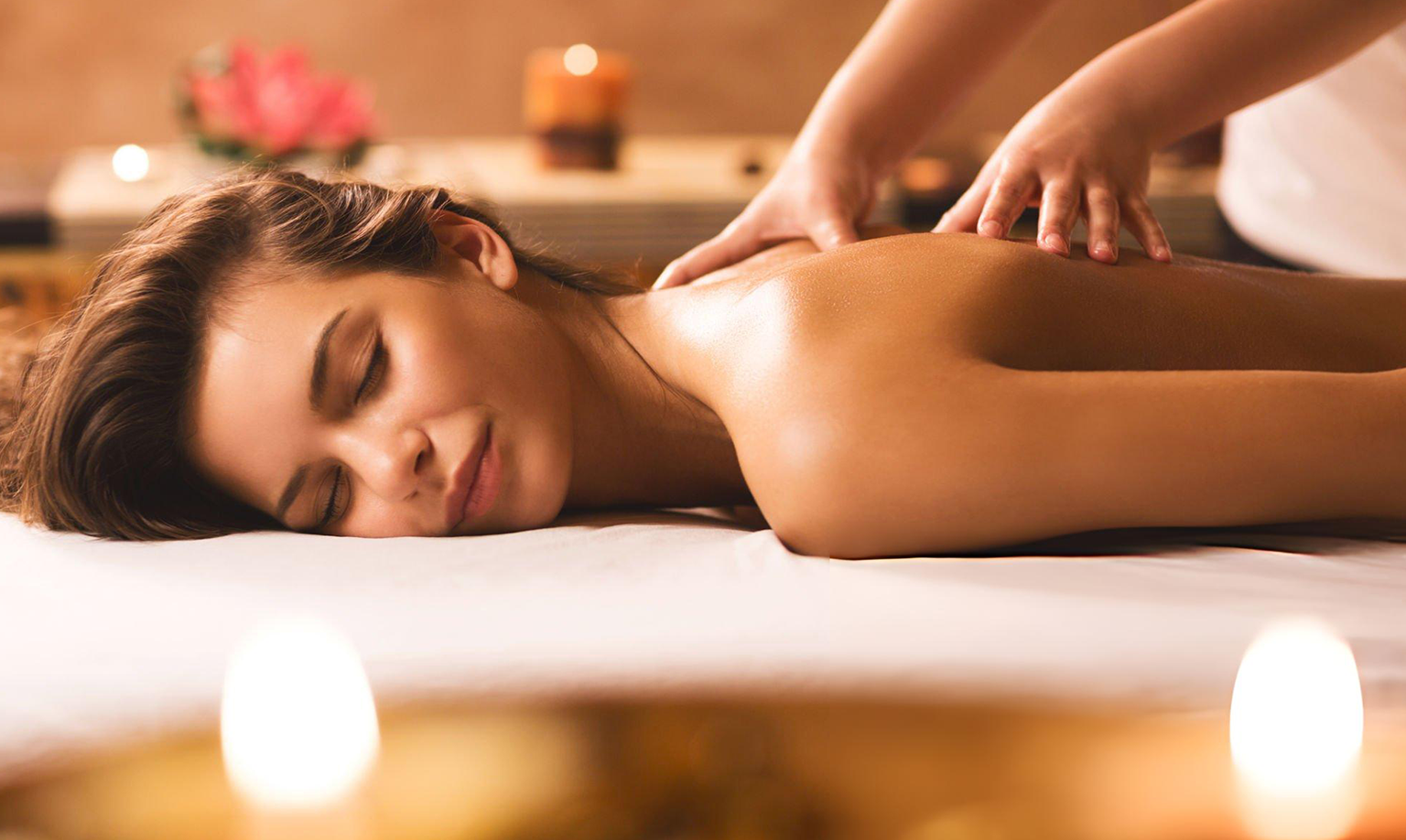
Massage therapy has been practised for centuries across different cultures as a way to support physical comfort, relaxation, and overall wellbeing. Today, it remains one of the most popular wellness treatments in Australia, helping people manage stress, reduce muscle tension, improve mobility, and enhance their self care routines.
Whether you are considering your first massage appointment or simply want to understand the differences between various techniques, learning about common massage methods can help you make informed decisions about your health and wellbeing.
From gentle relaxation-focused treatments to more targeted approaches that address muscular discomfort, each massage technique has its own purpose, benefits, and application. Professional massage therapists often customise treatments based on individual needs, lifestyle factors, and wellness goals.
This guide explains the most common massage techniques, how they work, who they may benefit, and what you can expect during a session.
Understanding Massage Therapy
Massage therapy involves the skilled manipulation of muscles, soft tissues, tendons, ligaments, and connective tissues throughout the body. Professional therapists use a combination of hand movements, pressure techniques, stretching, and rhythmic motions to achieve specific outcomes.
The primary goals of massage therapy often include:
- Reducing muscle tension
- Supporting relaxation therapy
- Encouraging circulation
- Improving flexibility and mobility
- Assisting stress management
- Promoting holistic wellness
- Supporting recovery from physical activity
Many people across Melbourne, Victoria, and Australia incorporate massage into their broader health and wellbeing routines alongside exercise, sleep, nutrition, and mindfulness practices.
Swedish Massage
What Is Swedish Massage?
Swedish massage is one of the most widely recognised and commonly requested massage techniques worldwide. It is often considered an ideal introduction for people who are new to massage therapy.
This technique uses long, flowing strokes combined with kneading, circular movements, and gentle pressure to encourage relaxation and improve circulation.
Common Techniques Used
Swedish massage typically incorporates several fundamental movements:
- Effleurage, which involves long gliding strokes
- Petrissage, which uses kneading and lifting motions
- Friction techniques that target specific areas
- Tapotement, involving rhythmic tapping movements
- Gentle joint mobilisation
Benefits of Swedish Massage
Many people choose Swedish massage to help reduce everyday stress and promote relaxation. The technique may help improve circulation, encourage muscle relaxation, and create a calming experience that supports overall wellness.
This style is commonly offered in day spa environments throughout Melbourne CBD and other wellness centres across Victoria.
Deep Tissue Massage
What Is Deep Tissue Massage?
Deep tissue massage focuses on deeper layers of muscle and connective tissue. Unlike Swedish massage, this technique uses slower movements and firmer pressure to address areas of chronic tension.
It is frequently used by individuals who experience muscular tightness from physical activity, prolonged sitting, repetitive movements, or demanding work environments.
How It Works
Professional massage therapists apply sustained pressure using their hands, knuckles, forearms, or elbows to reach deeper muscle layers.
The therapist carefully works through areas of tension while monitoring client comfort throughout the session.
Who May Benefit?
Deep tissue massage is often chosen by:
- Office workers experiencing postural tension
- Athletes and active individuals
- People with chronic muscle tightness
- Individuals recovering from repetitive strain
Some temporary soreness may occur after treatment, which is generally considered a normal response to deeper muscular work.
Remedial Massage
What Is Remedial Massage?
Remedial massage is a targeted treatment approach designed to assess and address specific muscular issues, restrictions, and movement dysfunctions.
It is commonly used throughout Australia and is often recommended for people seeking a more structured therapeutic approach.
Assessment-Based Treatment
Unlike purely relaxation-focused treatments, remedial massage typically begins with an assessment. Therapists may evaluate posture, movement patterns, muscle tension, and areas of discomfort before developing a treatment plan.
Techniques Commonly Used
Remedial massage often combines several methods, including:
- Deep tissue techniques
- Trigger point therapy
- Stretching methods
- Myofascial release
- Joint mobilisation
The exact treatment varies depending on the individual’s needs and goals.
Sports Massage
Understanding Sports Massage
Sports massage is specifically designed to support physically active individuals. Despite its name, this technique is not limited to professional athletes.
Anyone who regularly exercises, participates in recreational sports, or engages in physically demanding activities may benefit from sports massage.
Key Objectives
Sports massage aims to:
- Prepare muscles before activity
- Support recovery after exercise
- Reduce muscular tension
- Maintain flexibility
- Improve movement efficiency
Depending on timing and objectives, treatments may be delivered before events, after exercise sessions, or as part of ongoing maintenance.
Trigger Point Therapy
What Are Trigger Points?
Trigger points are highly sensitive areas within muscle tissue that may contribute to local discomfort or referred sensations in other parts of the body.
These points are often described as muscle knots, although the underlying physiology is more complex.
How Trigger Point Therapy Works
The therapist applies focused pressure to specific trigger points for short periods before releasing. This process may be repeated several times during a session.
The goal is to help reduce muscular tension and improve tissue function within affected areas.
Trigger point therapy is frequently integrated into remedial and deep tissue massage treatments.
Hot Stone Massage
An Introduction to Hot Stone Therapy
Hot stone massage combines traditional massage techniques with the application of smooth, heated stones placed on key areas of the body.
The warmth from the stones helps encourage relaxation and may assist muscles in becoming more receptive to treatment.
What to Expect
During a session, heated stones may be placed along the back, shoulders, legs, or other muscle groups. Therapists may also use the stones as massage tools while performing treatment.
This technique is commonly associated with day spa experiences and wellness-focused environments.
Aromatherapy Massage
Combining Massage and Essential Oils
Aromatherapy massage incorporates carefully selected essential oils alongside traditional massage techniques.
The oils are chosen based on desired outcomes such as relaxation, rejuvenation, or stress reduction.
The Sensory Experience
In addition to the physical effects of massage, aromatherapy creates a multi-sensory experience through scent and touch.
Many people choose aromatherapy massage as part of broader self care and stress management routines.
Myofascial Release
Understanding Fascia
Fascia is a connective tissue network that surrounds muscles, bones, nerves, and organs throughout the body.
Restrictions within fascial tissue may contribute to stiffness, reduced mobility, and feelings of tension.
How Myofascial Release Differs
Unlike many traditional massage techniques that rely on oils and continuous movement, myofascial release often uses slow, sustained pressure to stretch and mobilise fascial tissues.
Treatments may feel gentler than deep tissue massage but can produce significant improvements in mobility and movement quality.
Shiatsu Massage
Origins of Shiatsu
Shiatsu is a Japanese bodywork technique based on the application of pressure to specific points throughout the body.
The word “shiatsu” translates to “finger pressure,” reflecting the primary technique used during treatment.
Treatment Approach
Shiatsu practitioners use fingers, palms, thumbs, and sometimes elbows to apply rhythmic pressure along designated pathways.
Sessions are often performed on a mat or specialised treatment surface, with clients remaining fully clothed.
Many people seek shiatsu as part of a holistic wellness approach that considers both physical and mental wellbeing.
Reflexology
What Is Reflexology?
Reflexology focuses on specific points located on the feet, hands, and ears. Practitioners believe these areas correspond with different parts of the body.
The technique involves applying controlled pressure to targeted zones to promote relaxation and support overall wellness.
Why People Choose Reflexology
Many individuals enjoy reflexology because it provides a deeply relaxing experience while requiring minimal physical effort from the client.
It is commonly offered within wellness centres and spa environments throughout Melbourne and across Australia.
Choosing the Right Massage Technique
Selecting the most appropriate massage style depends on your goals, preferences, and individual circumstances.
If your primary goal is relaxation, Swedish massage, aromatherapy massage, or hot stone therapy may be suitable options. Individuals experiencing muscular tightness may explore deep tissue or remedial massage approaches. Active people often benefit from sports massage, while those interested in broader wellness experiences may appreciate shiatsu or reflexology.
Speaking with professional massage therapists before your appointment can help identify the most suitable technique for your needs.
Many visitors seeking a massage melbourne experience discover that wellness providers offer multiple techniques, allowing treatments to be tailored according to individual preferences and goals.
The Importance of Qualified Professional Massage Therapists
Regardless of the technique chosen, receiving treatment from qualified professionals is essential.
Experienced therapists understand anatomy, movement, tissue response, and appropriate pressure application. They can adapt treatments to accommodate health considerations, injuries, comfort levels, and treatment objectives.
A thorough consultation before treatment helps ensure the massage is both safe and appropriate for your circumstances.
Massage Therapy as Part of Holistic Wellness
Massage therapy works best when viewed as one component of a broader health and wellbeing strategy.
Many people integrate massage into routines that also include regular exercise, healthy nutrition, adequate sleep, hydration, mindfulness practices, and stress management techniques.
Whether visiting a day spa in Melbourne CBD, seeking remedial treatment in Victoria, or exploring relaxation therapy anywhere in Australia, massage can play a valuable role in supporting overall wellbeing.
Conclusion
Understanding common massage techniques helps you make informed decisions about your wellness journey. From the gentle relaxation of Swedish massage to the targeted focus of remedial and deep tissue treatments, each approach offers unique benefits and applications.
The best massage technique depends on your personal goals, physical condition, and preferences. By learning how different methods work and consulting with qualified professionals, you can choose treatments that align with your individual health and wellbeing needs.
As interest in holistic wellness, self care, and wellness treatments continues to grow throughout Melbourne, Victoria, and Australia, massage therapy remains an accessible and effective way to support relaxation, recovery, and overall quality of life.
Frequently Asked Questions
1. What is the most common type of massage?
Swedish massage is generally considered the most common massage technique worldwide. It uses gentle to moderate pressure, long flowing strokes, and rhythmic movements designed to promote relaxation and improve circulation.
Because it is accessible to most people and provides a comfortable introduction to massage therapy, it is often recommended for first-time clients seeking stress relief and general wellbeing support.
2. Is deep tissue massage painful?
Deep tissue massage can involve some discomfort because it targets deeper muscle layers and areas of tension. However, treatment should remain manageable and should not cause excessive pain.
Professional therapists adjust pressure according to individual comfort levels and treatment goals. Open communication during the session helps ensure an effective and comfortable experience while addressing muscular tightness.
3. How do I know which massage technique is right for me?
The best technique depends on your goals. Relaxation-focused clients may prefer Swedish, aromatherapy, or hot stone massage. Individuals experiencing muscular tension often choose deep tissue or remedial massage.
Active people may benefit from sports massage. Discussing your health history, lifestyle, and objectives with a qualified therapist can help determine the most appropriate treatment approach.
4. How often should I receive massage therapy?
Massage frequency varies based on personal needs and wellness goals. Some people schedule treatments weekly during periods of intense physical activity or stress, while others visit monthly for maintenance and relaxation.
Factors such as lifestyle, work demands, exercise routines, and overall wellbeing objectives all influence how often massage therapy may be beneficial.
5. Are massage techniques suitable for everyone?
Many massage techniques are suitable for a wide range of individuals, but certain health conditions may require modifications or specialist advice. Pregnancy, recent surgeries, injuries, cardiovascular conditions, and other medical concerns can influence treatment options.
A thorough consultation with a professional therapist helps ensure that the chosen massage technique is safe and appropriate for your circumstances.