
Booking your first massage appointment can feel both exciting and a little uncertain. Many people are interested in massage therapy for relaxation, stress management, muscle recovery, or general health and wellbeing, but they are often unsure about what actually happens during a professional session.
Questions about what to wear, how to communicate with the therapist, and what to expect during treatment are completely normal.
Whether you are visiting a day spa in Melbourne CBD, a wellness clinic in Melbourne, or a massage therapy centre elsewhere in Victoria or Australia, understanding the process can help you feel more comfortable and confident.
A professional massage appointment is designed to support your wellbeing, reduce physical tension, and create a safe environment where you can relax and focus on self care.
This guide explains every stage of a first massage appointment, from booking and arrival through to the treatment itself and aftercare recommendations. By knowing what to expect, you can make the most of your experience and enjoy the benefits of professional massage therapy.
Why People Book Their First Massage
People seek massage therapy for many different reasons. Some are looking for relaxation therapy after a stressful period at work, while others want relief from muscle tension caused by exercise, poor posture, or daily activities.
Common reasons for booking a first massage include:
- Managing stress and anxiety
- Reducing muscle stiffness and tension
- Supporting recovery after physical activity
- Improving overall health and wellbeing
- Creating a regular self care routine
- Enhancing relaxation and sleep quality
- Experiencing holistic wellness treatments
Massage therapy has become an important part of many people’s wellness routines because it supports both physical and mental wellbeing.
Before Your Appointment
Choosing the Right Type of Massage
Before your appointment, it helps to understand the different types of massage available. Your goals will often determine which treatment is most suitable.
A relaxation massage focuses on calming the nervous system and promoting a sense of wellbeing. Deep tissue massage targets deeper muscle layers and may be suitable for chronic tension. Remedial massage often addresses specific muscular concerns, while aromatherapy massages may incorporate essential oils to enhance relaxation.
If you are unsure which treatment is right for you, professional massage therapists can usually recommend an option based on your needs and preferences.
Making Your Booking
When booking your appointment, you may be asked a few basic questions about your health history, any injuries, and your treatment goals. This information helps therapists prepare for your session and ensure the treatment is appropriate.
Many wellness centres and day spas throughout Melbourne and Victoria encourage first-time clients to arrive a little earlier to complete consultation forms and discuss any concerns before treatment begins.
Preparing for the Session
Preparation is generally simple. Try to stay hydrated throughout the day and avoid eating a large meal immediately before your appointment. Comfortable clothing can make changing before and after the session easier.
It is also helpful to think about what you would like to achieve from the massage. Some people want stress relief, while others are looking for help with specific areas of discomfort.
Arriving at the Massage Clinic or Day Spa
When you arrive, you will usually be welcomed by reception staff or your therapist. The environment is typically calm and designed to promote relaxation. Soft lighting, comfortable waiting areas, and a peaceful atmosphere are common features of professional wellness facilities.
You may be asked to complete a client intake form if you have not already done so. This form usually covers:
- Medical history
- Current medications
- Previous injuries
- Areas of pain or discomfort
- Treatment goals
- Allergies or sensitivities
Providing accurate information is important because it helps your therapist tailor the session to your needs.
Your Initial Consultation
Discussing Your Goals
Before the massage begins, your therapist will typically conduct a brief consultation. This conversation allows them to understand your expectations and determine the most suitable treatment approach.
You may be asked questions such as:
- What brings you in today?
- Do you have any areas of tension or discomfort?
- Have you had a massage before?
- What pressure level do you prefer?
- Are there any areas you would like avoided?
Open communication is encouraged. Professional therapists appreciate honest feedback because it allows them to provide a more effective and comfortable treatment.
Understanding Health Considerations
Certain health conditions may influence how a massage is performed. Conditions such as recent injuries, pregnancy, cardiovascular concerns, or skin conditions should always be discussed beforehand.
This conversation is not intended to be intrusive. It simply helps ensure your safety and comfort throughout the treatment.
Getting Ready for the Massage
Privacy and Professional Standards
Many first-time clients feel unsure about what they should wear during a massage. Professional massage therapists follow strict standards regarding privacy, comfort, and client dignity.
After the consultation, your therapist will leave the room so you can change privately. Depending on the treatment, you may be instructed to remove some clothing or remain partially dressed.
You will be covered with towels or sheets throughout the session, with only the area being worked on exposed at any given time. This practice, known as draping, is standard within the massage therapy profession.
If you ever feel uncomfortable, you can discuss alternative arrangements with your therapist.
What Happens During the Massage
Beginning the Treatment
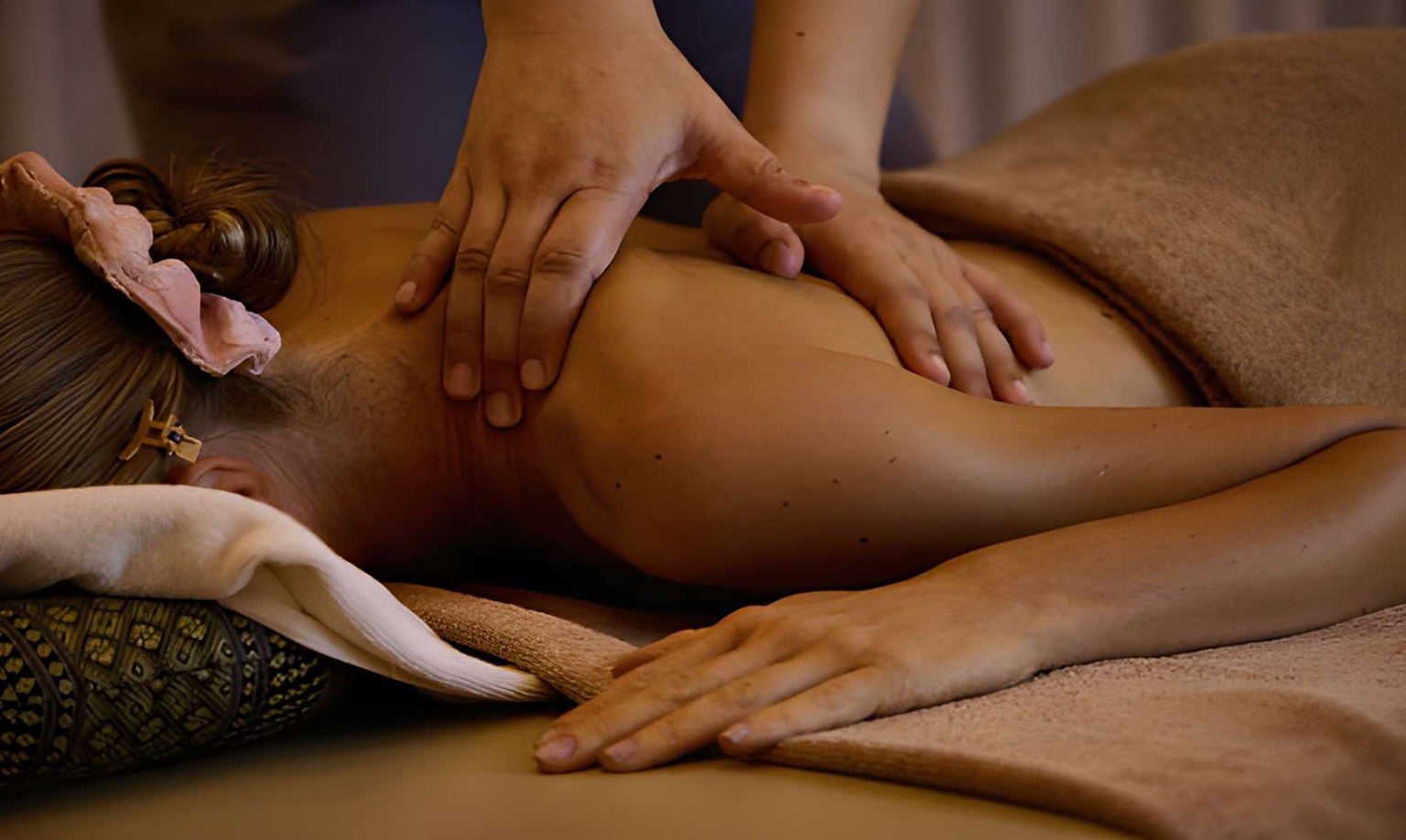
Once you are positioned comfortably on the massage table, the therapist will begin treatment. Many sessions start with gentle techniques that help warm up the muscles and allow your body to relax.
The room may include calming music, comfortable room temperature, and subtle aromas designed to support relaxation therapy.
Communication Throughout the Session
One of the biggest misconceptions about massage is that clients should remain completely silent. While many people choose to relax quietly, communication is always welcome.
You should speak up if:
- The pressure feels too strong
- The pressure feels too light
- You experience discomfort
- You feel too warm or too cold
- You have questions during the treatment
Professional therapists rely on client feedback to deliver the most effective experience possible.
Different Massage Techniques
Depending on the type of treatment selected, your therapist may use a variety of techniques. These can include long flowing strokes, kneading, circular movements, gentle stretching, or more focused pressure on areas of tension.
Each technique serves a different purpose within massage therapy. Some encourage relaxation, while others focus on improving mobility, reducing muscular tightness, or supporting recovery.
Experiencing Relaxation
Many first-time clients are surprised by how deeply relaxed they feel during a massage. It is common for breathing to slow, muscles to release tension, and stress levels to decrease as the session progresses.
Some people even fall asleep during treatment, which is perfectly normal and often indicates a high level of comfort and relaxation.
What You Might Feel During and After the Massage
During the Session
Experiences vary depending on the individual and the type of massage received. During a relaxation massage, most clients feel calm, comfortable, and physically at ease.
With deeper therapeutic techniques, you may notice some mild tenderness in particularly tight areas. However, massage should not be excessively painful. Effective treatment balances therapeutic pressure with client comfort.
Immediately Afterwards
After your massage, you may experience:
- A sense of calm and relaxation
- Reduced muscle tension
- Improved mobility
- Enhanced mental clarity
- A feeling of lightness or reduced physical stress
Some individuals feel energised, while others prefer to rest and enjoy the lingering relaxation effects.
The Following Day
Depending on the techniques used, mild soreness may occasionally occur, particularly after deeper therapeutic work. This is generally temporary and similar to the sensation experienced after exercise.
Drinking water, gentle stretching, and allowing your body time to recover can support the post-treatment process.
Aftercare Recommendations
After your appointment, your therapist may provide personalised aftercare advice based on your individual needs.
Common recommendations include staying hydrated, avoiding intense physical activity for several hours, and paying attention to how your body responds.
For clients focused on holistic wellness, massage often works best when combined with other healthy lifestyle habits such as regular exercise, quality sleep, stress management strategies, and balanced nutrition.
Many people who begin receiving massage therapy discover that it becomes a valuable part of their long-term self care routine.
Common Concerns First-Time Clients Have
Will the Massage Hurt?
Most massages should feel comfortable and beneficial. While certain techniques may create temporary sensations of pressure or mild tenderness, severe discomfort is not necessary for effective treatment.
Do I Need to Talk?
No. Some clients enjoy conversation, while others prefer complete silence. Both approaches are perfectly acceptable.
What If I Feel Nervous?
Nervousness is extremely common during a first appointment. Experienced therapists understand this and are trained to help clients feel comfortable throughout the process.
How Often Should I Get a Massage?
The ideal frequency depends on your goals. Some people benefit from monthly sessions, while others may choose more frequent treatments for specific wellness objectives.
Individuals exploring services through a **day spa melbourne** experience often combine massage therapy with other wellness treatments as part of a broader health and wellbeing routine.
The Role of Massage in Holistic Wellness
Modern wellness increasingly recognises the connection between physical health, mental wellbeing, and lifestyle balance. Massage therapy supports this holistic approach by encouraging relaxation, reducing stress, and promoting greater body awareness.
Across Melbourne CBD and throughout Australia, many people integrate massage into broader wellness plans that may also include mindfulness practices, physical activity, healthy nutrition, and other complementary therapies.
Professional massage therapists play an important role in helping individuals maintain balance within busy modern lifestyles. By creating dedicated time for self care, clients can support both their immediate comfort and long-term wellbeing.
Conclusion
Your first massage appointment should be a positive and comfortable experience focused on your individual needs. From the initial consultation through to aftercare advice, professional massage therapists are trained to provide a safe, respectful, and personalised treatment environment.
Understanding what happens before, during, and after the session can help remove uncertainty and allow you to fully enjoy the benefits of massage therapy. Whether your goal is relaxation, stress management, muscle recovery, or improved health and wellbeing, knowing what to expect helps you approach your first appointment with confidence.
As part of a broader commitment to self care and holistic wellness, massage therapy can be a valuable tool for supporting both physical and mental wellbeing throughout every stage of life.
Frequently Asked Questions
1. What should I wear to my first massage appointment?
Wear comfortable clothing that is easy to change in and out of. During the massage, the level of undress depends on the treatment type and your comfort level. Professional therapists provide private changing facilities and use proper draping techniques throughout the session to maintain privacy and comfort. If you have concerns, discuss them with your therapist before treatment begins.
2. How early should I arrive for my appointment?
Arriving 10 to 15 minutes early is generally recommended, especially for first-time clients. This allows time to complete any necessary paperwork, discuss your health history, and speak with your therapist about your goals. Arriving early also helps you settle into a relaxed mindset before the treatment begins.
3. Is it normal to feel sore after a massage?
Yes, mild soreness can occur after certain types of massage, particularly treatments that involve deeper pressure on tight muscles. The sensation is often similar to post-exercise soreness and typically resolves within a day or two. Staying hydrated, resting, and following any aftercare advice can help minimise discomfort.
4. Can I request more or less pressure during the massage?
Absolutely. Communication is encouraged throughout the session. If the pressure feels too strong, too gentle, or uncomfortable in any way, let your therapist know. Professional massage therapists adjust their techniques based on client feedback to ensure the treatment remains safe, effective, and comfortable.
5. How long does a typical first massage appointment take?
The total appointment length varies depending on the service booked. Many sessions last between 60 and 90 minutes, although shorter and longer treatments are also available. For a first visit, additional time may be required for consultation and health assessments, so the overall appointment may be slightly longer than future visits.